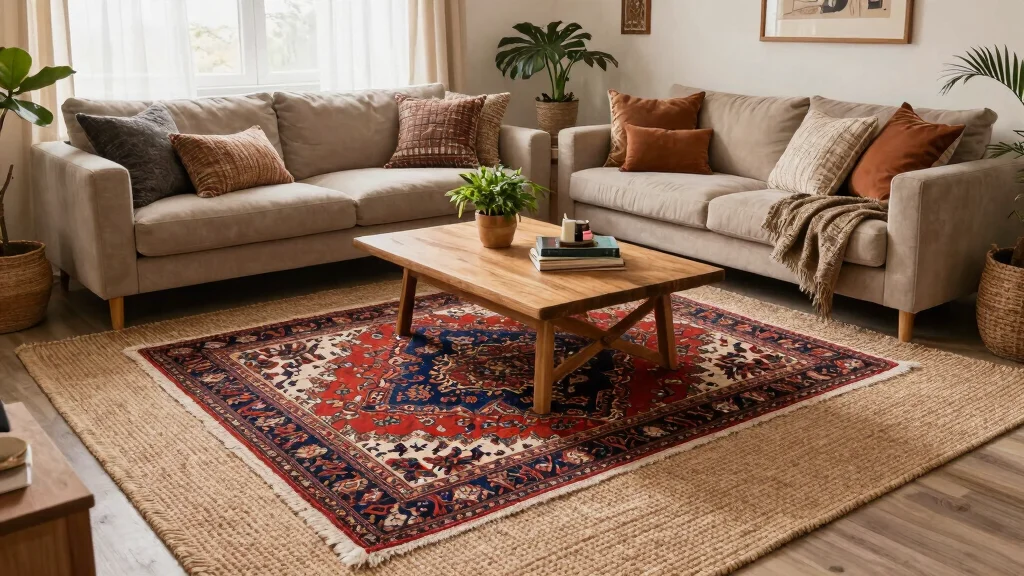
Rug layering in your living room can transform a simple space into a cozy, inviting haven. This decorating technique has me craving that rich texture and warmth that layered rugs bring. If you find yourself wanting to enhance your living room decor, you’re in for a treat. This post is for anyone who loves the idea of creating a bohemian vibe in their home or simply wishes to add depth and personality to their interiors.
In this blog post, I pulled together 11 rug layering living room ideas that are playful, stylish, and perfect for anyone looking to elevate their space. You’ll discover how to mix patterns for that carefree boho aesthetic, layer neutrals for a calming effect, and play with sizes and colors to make a bold statement. Whether you’re a seasoned decorator or just starting out, these ideas will give you the inspiration you need to create a living room that feels uniquely yours.
Get ready to dive in and explore practical tips and creative combinations that will encourage you to let your personality shine through your living room decor. Say goodbye to dull floors and hello to a world of texture, warmth, and style with these rug layering ideas!
Key Takeaways
– Mix Patterns for a Boho Vibe: Don’t be afraid to combine different prints and textures to create a relaxed, bohemian feel in your living room.
– Layering with Neutrals: Use neutral-colored rugs for a more understated approach. This enhances depth without overwhelming the space.
– Play with Sizes: Varying the sizes of your rugs adds interest. Consider placing a large area rug under a smaller accent rug for a layered look.
– Bold Colors for a Statement: Opt for bright, bold rugs to make a statement. This can infuse energy into your living room decor and serve as a focal point.
– Eco-Friendly Layering: Consider using sustainable materials when layering rugs. This not only helps the environment but adds unique character to your home.
Recommended Products

Persian-Inspired Vintage Boho Design: A distressed medallion, floral details and ornamental border create a layered, timeworn look; harmonious colors suit bohemian, farmhouse, vintage and modern spaces in living rooms, bedrooms, nurseries and offices

SOFTNESS & COMFORT: Step into cloud-like comfort with our 8×10 area rugs—unlike thin, mat-like competitors, ours are crafted from ultra-soft microfiber for a soft, cushioned feel underfoot. Perfect as bedroom rugs or cozy additions to high-traffic spaces, these soft, sumptuous rugs elevate everyday living while complementing family life

Modern Area Rug: This area rug is designed with a Bohemian and Moroccan style pattern using a combination of geometric lines and shapes, able to integrate into any interior design style easily, it can add elegance and fashion to your home space.
1. Mix Patterns for a Boho Vibe
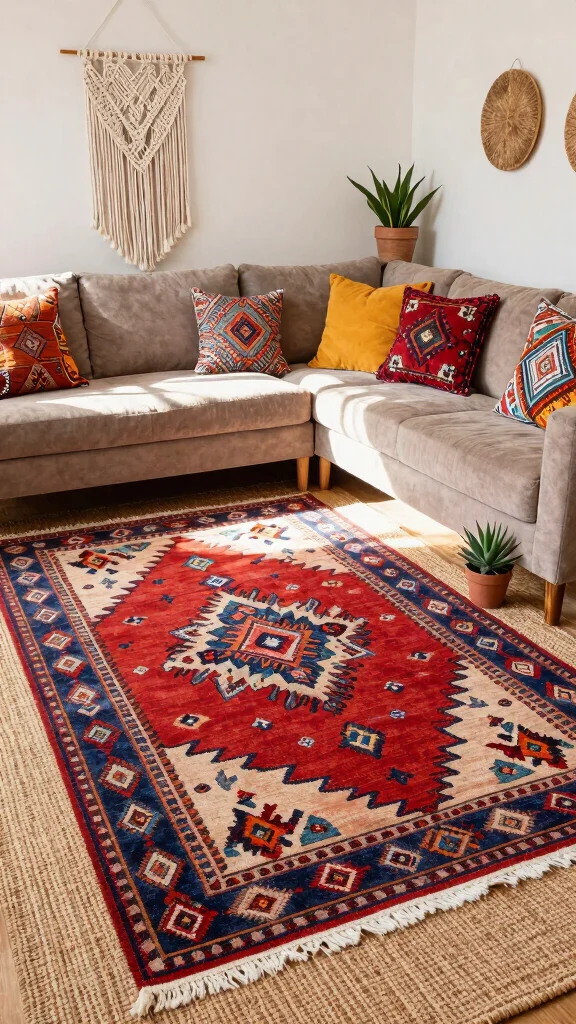
Creating a bohemian atmosphere in your living room can be effortlessly achieved by layering rugs with diverse patterns. Imagine the vibrancy of a kilim rug layered over a soft, geometric foundation. This blend of bold colors and intricate designs fosters a lively and inviting space that sparks creativity and warmth. Choosing a palette that resonates with you, such as earthy tones accented with jewel hues, brings an uplifting energy to your decor.
To make the most of this eclectic vibe, consider these practical tips:
– Choose a common color scheme: Select rugs that share a few colors to harmonize the look while showcasing personality.
– Vary the scale of patterns: Pair large, abstract designs with smaller, detailed pieces for visual excitement.
– Add textures: Incorporate unique materials like wool, cotton, and jute to enrich the layered effect.
This combination invites personal expression and curiosity, making your living room feel effortlessly chic.
Fun fact: Layering two rugs with distinct patterns can boost perceived depth by up to 30%, making your rug layering living room feel instantly bigger. Opt for earthy tones with jewel accents to keep the vibe cohesive and warm.
Recommended Products

Modern Area Rug: This area rug is designed with a Bohemian and Moroccan style pattern using a combination of geometric lines and shapes, able to integrate into any interior design style easily, it can add elegance and fashion to your home space.
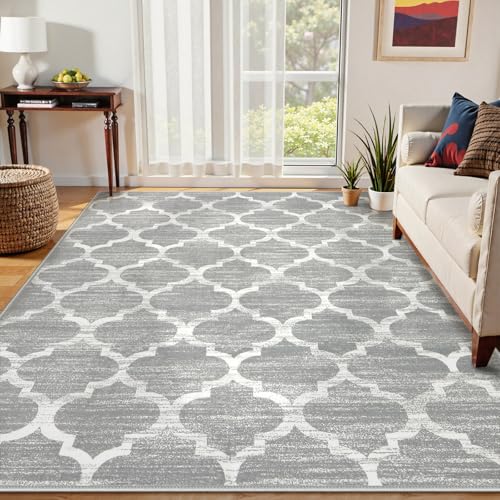
【Soft & Comfortable Surface】:The fabric almost feel like terrycloth and velvety feeling, pets and children will love moving around on the carpet. Soft rugs are perfect plush addition to your favorite space

Modern Geometric Area Rug: The living room rug features a colorful geometric pattern, creating a novel, unique, and highly fashionable look. These area rugs 8×10 perfectly complement modern interior design styles and help visually expand the space, making the room appear more open and bright
Mix Patterns for a Boho Vibe
Editor’s Choice

SAFAVIEH Area Rug 8×10 – Kilim Collection – Large – Natural & Blue, Hand…


SAFAVIEH Kilim Collection Area Rug – 9′ x 12′, Red & Multi, Handmade Sou…
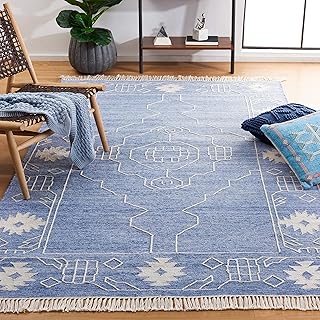
SAFAVIEH Kilim Collection Area Rug – 5′ x 8′, Blue & Ivory, Flat Weave R…

SAFAVIEH Kilim Collection Accent Rug – 4′ x 6′, Blue & Ivory, Handmade F…

Secret Sea Collection: Modern Kilim Series Small Area Rug, Washable, Rev…
How To Choose the Right Rugs for Layering in Your Living Room
When it comes to rug layering in your living room, the right choice can elevate your decor, adding both texture and depth. Here’s a simple guide to help you make the best selections.
1. Size Matters
Choosing the right size is crucial for a successful layered rug look. Think about the layout of your living room. A good rule of thumb is to have the larger rug cover all the main furniture and leave some space around the edges. The smaller rug can sit on top, adding interest. Measure your space to find the perfect fit.
2. Material Choices
The material of your rugs can drastically affect their appearance and feel. Look for natural fibers like wool or cotton for warmth and durability. If you want something softer, a shag rug can be a great choice. Just remember, different materials can bring different textural elements. For example, a jute rug adds a natural texture that contrasts beautifully with a plush fabric rug on top.
3. Color Coordination
Color plays a big role in how your layered rugs will look together. Use a color palette that complements your living room decor. If you have a bold color scheme, consider using neutral rugs to balance things out. If you prefer patterns, ensure the colors in both rugs coordinate well to avoid clashing. Mixing patterns can be fun, but be cautious! Aim for a cohesive look that doesn’t overwhelm the space.
4. Pattern Play
Mixing patterns is a fantastic way to enhance your bohemian living room vibe. When doing this, consider the scale of the patterns. Pair a large, bold pattern with a smaller, more subtle one. This contrast helps each rug stand out without competing for attention. Experiment with different combinations to find what feels right for your space.
5. Textural Contrast
Creating texture in your living room decor adds depth and interest. Layering rugs with different textures can achieve this effect. For example, pairing a smooth, flatweave rug with a soft, shaggy one can create a visually appealing contrast. Consider incorporating rugs made from natural materials like sisal or hemp for a unique touch.
6. Budget Considerations
Before you dive into the world of rug layering, set a budget. Layering can be done at various price points, so know how much you are willing to spend. Look for deals on rugs at local stores or online. Remember, you don’t need to buy everything at once. Gradually adding layers can be a budget-friendly way to enhance your space over time.
Pro Tip: When selecting your rugs, bring home samples or swatches. Lay them out in your living room to see how they look in the lighting and with your furniture. This simple step can help you visualize your layered rug concept before committing to a purchase. It also allows you to see how different textures and colors interact in your specific space!
By following these tips, you can create a beautifully layered living room that reflects your personality and style. Happy decorating!
Recommended Products

Set of 2 Perfect Size Rugs with Decorative Fringes: The pack contains 2 rugs measuring 22 x 34 inches with 3.5-inch fringes on both ends for added texture and visual interest in small spaces like entryways, bedrooms, dorms, bathroom, and nurseries.

[Cottage Floral Rug] – This indoor outdoor mat features a delicate floral pattern blossoms and leaves. The charming scalloped edge enhances its vintage charm, making it a perfect layered door mats for french country, farmhouse, or cottagecore home decor or outdoor front porch decor (© 2025 Othilic)
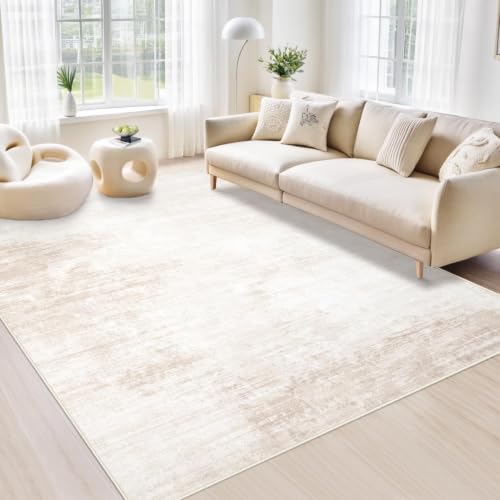
Modern Abstract Rug: Simple color with soft stripe design, our living room rug has a modern look with a distressed feel; And 6×9 rug perfect for living room, bedroom, dining room, kitchen, children's room, office, laundry room, dorm.
2. Layering with Neutrals
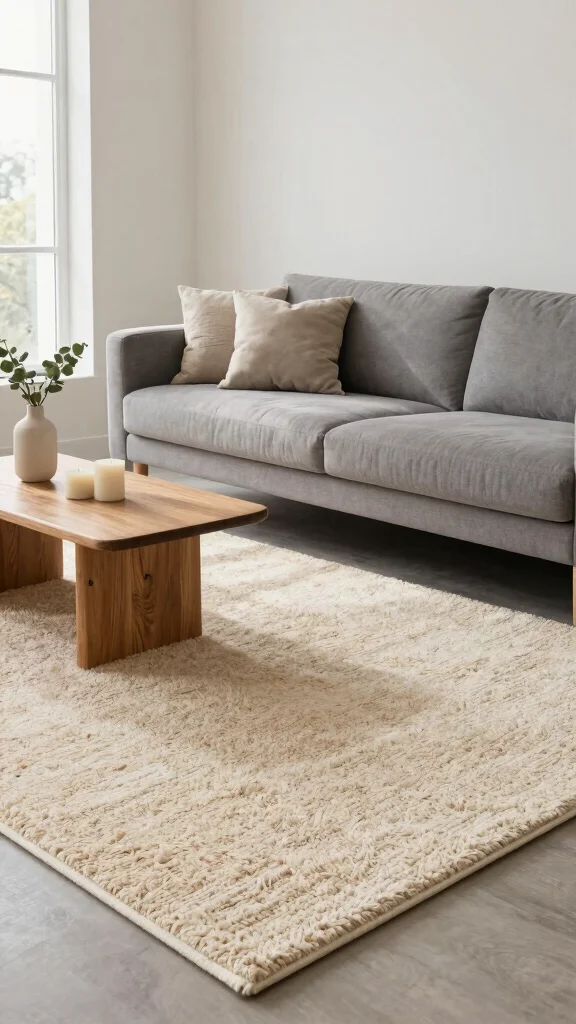
If you prefer a more subdued aesthetic, layering an array of neutral rugs can create a tranquil and sophisticated living room. Think about blending shades of beige, cream, and gray to add depth without overwhelming the senses. This subtle approach allows the textures to shine, creating a serene environment. For instance, start with a plush shag rug and layer it with a flatweave or natural fiber option on top.
To achieve this calming look, keep these tips in mind:
– Stick to similar tones: Use different shades within the same color family for a cohesive palette.
– Play with textures: Mixing a fluffy rug with a smooth one adds a tactile dimension.
– Accent with decor: Use minimalistic decor pieces in complementary hues to enhance the overall aesthetic.
This method fosters a cozy, spa-like atmosphere that encourages relaxation.
Recommended Products

🛋️ Fits all Interiors : This Versatile Neutral Boho Rug 8' x 10' area rug blends natural jute and wool to create a stylish boho rug that fits beautifully in living rooms, bedrooms, dining rooms, and entryways. Its neutral tones in tan color and textured weave make it ideal as a large area rug for living room décor, farmhouse interiors, or modern natural fibre spaces.

Natural Materials: This jute rug woven with a blend of 80% Jute and 20% Cotton, offers a natural choice for your home decor. Please note that shedding is common in jute rugs for the first few months. Please do not pull loose ends, if any

Material: 60% Jute, 30% Wool, 10% Cotton, Made by skilled artisans in India
Layering with Neutrals
Editor’s Choice

SAFAVIEH Hudson Shag Collection Area Rug – 5’3″ x 7’6″, Ivory & Beige, M…

SAFAVIEH Area Rug 8×10 – Florida Shag Collection – Large – Cream & Beige…

SAFAVIEH Area Rug 8×10 – Natural Fiber Collection – Large – Marble & Bei…

nuLOOM 4×6 Elfriede Jute & Cotton Hand Woven Area Rug, Natural, Solid Ru…

SAFAVIEH Natural Fiber Collection Area Rug – 8′ x 10′, Ivory, Handmade F…
3. Play with Sizes
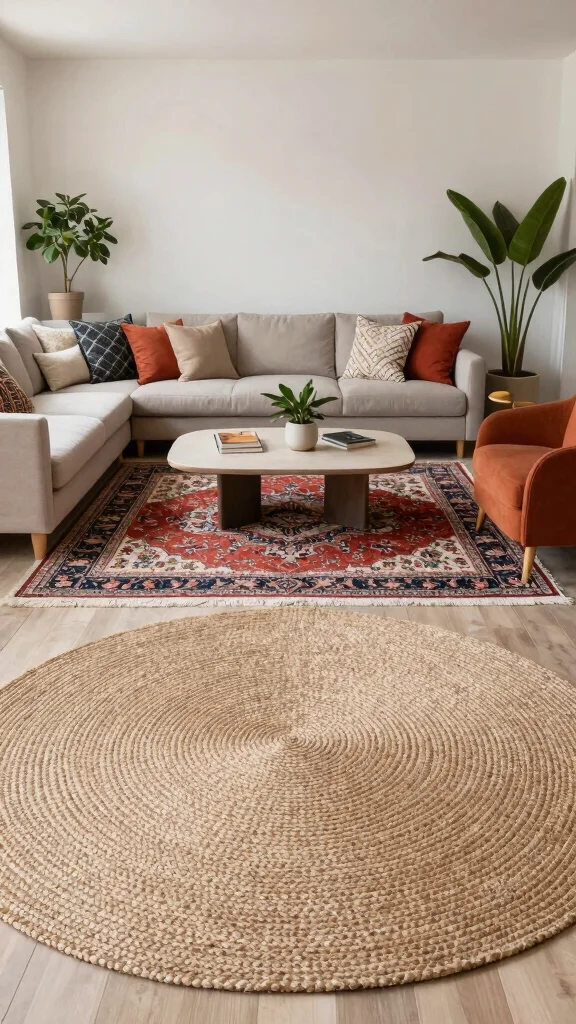
Layering rugs of varying sizes can energize your living room design. A large area rug serves as a foundation, while a smaller accent rug introduces contrast and focus. For example, using a large round jute rug alongside a smaller rectangular Persian rug not only enhances visual interest but also helps define different areas, particularly in open-concept spaces.
Here’s how to effectively implement this idea:
– Create zones: Use the larger rug to anchor seating and the smaller one for reading nooks or under coffee tables.
– Avoid clutter: Place the smaller rug strategically so it stands out without feeling lost.
– Embrace asymmetry: Mixing shapes, like round and rectangular rugs, can create a relaxed, unique look.
This technique brings a curated feel to your living space.
Recommended Products

Machine made of low profile polypropylene fibers that fit seamlessly in a variety of settings

The Perennial Collection is a bold and bright floral indoor/outdoor rug from Rifle Paper Co. x Loloi.

Modern Twist on Vintage Charm: Bold medallion rug with delicate patterns in multiple colors hues. Timeless distressing adds character—complements traditional or modern spaces. Statement art piece for timeless appeal
🧑🍳 Effortless Dinner Solutions!
Discover quick and easy recipes that free up your time for home decor projects like rug layering.
4. Bold Colors for a Statement
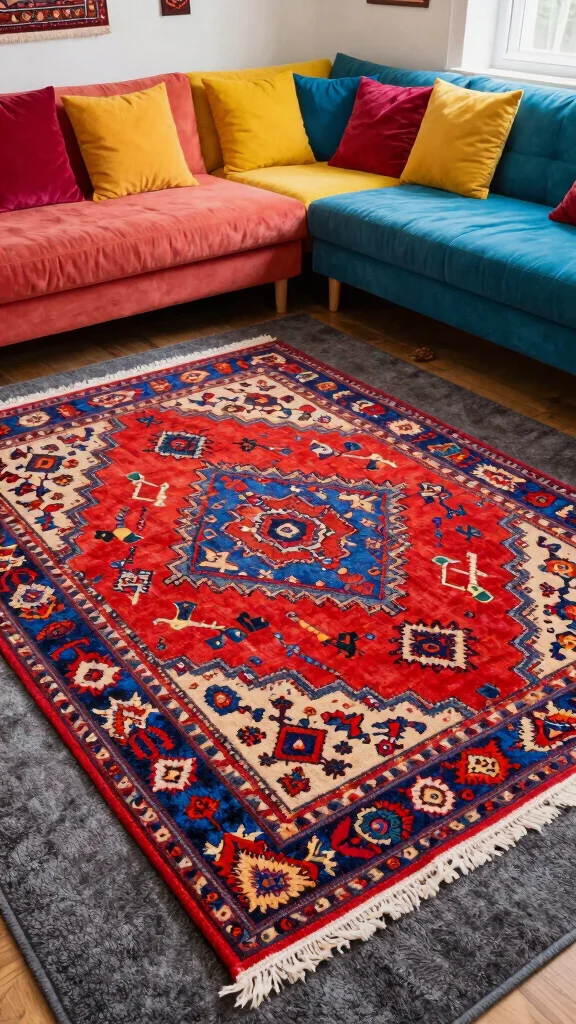
If you embrace boldness, don’t hesitate to incorporate brightly colored rugs into your layering scheme. Layering several colorful rugs can make a striking visual statement in your living room. For instance, a vibrant Moroccan rug layered over a solid, darker base rug creates stunning contrast and depth. This lively combination not only enhances the space but also reflects a spirited, eclectic personality.
To effectively implement this idea, consider these tips:
– Choose a focal rug: Let one rug be the standout piece with an eye-catching pattern or color.
– Balance the colors: Pair it with more muted rugs that complement the focal piece.
– Keep decor minimal: Allow the rugs to be the main attraction by choosing simple, cohesive decor elements.
This approach can enliven your living room, making it a vibrant conversation starter.
Did you know layering 2 bold rugs in a rug layering living room can boost perceived depth by up to 40%? Add a third colorful piece for instant energy and a focal point. A vibrant Moroccan rug over a dark base creates striking contrast.
Recommended Products

Persian-Inspired Vintage Boho Design: A distressed medallion, floral details and ornamental border create a layered, timeworn look; harmonious colors suit bohemian, farmhouse, vintage and modern spaces in living rooms, bedrooms, nurseries and offices

Kokia area rug is made from a cozy, material that feels like cashmere and is easy to care for. Our soft warm earthy ochre rug is suitable for barefoot walking, gentle to the skin, making it an exceptional choice for your home

Charming Sun Moon Pattern: Looking for a rug that turns your space into a whimsical wonderland? This artistic area rug—with a clean solid background and playful sun, moon, and star motifs—will wrap your room in unique mystery and expressive charm. Ready to make every step in your home feel like a stroll through the cosmos?
5. Textural Contrast with Natural Elements
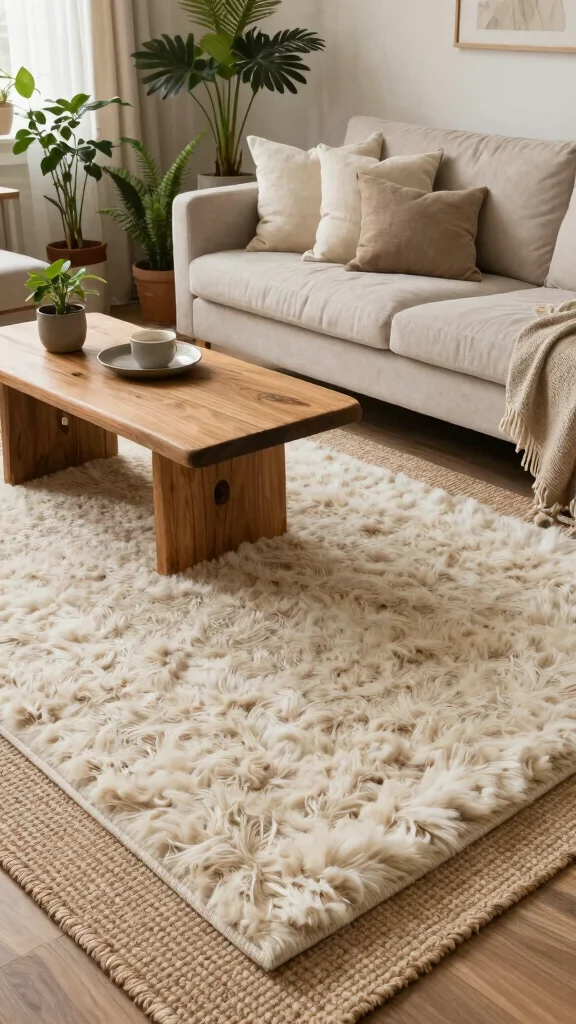
Incorporating natural materials can beautifully enhance the texture of your layered rug setup. Imagine combining a plush wool rug with a coarsely woven sisal or jute rug. This contrast creates a tactile experience that draws people in, inviting them to enjoy the softness of the wool while appreciating the rustic charm of natural fibers.
Here are some tips to achieve this look:
– Mix soft and rough: Layer a soft rug over a textured natural rug for an engaging sensory experience.
– Add organic decor: Incorporate wooden furniture or plants to enhance the earthy feel.
– Use neutral tones: Let natural colors dominate, highlighting the textures as the stars of the show.
This strategy creates a relaxed, organic vibe that feels stylish and grounded.
Recommended Products

Outdoor patio rug – 100% recycled plastic tubes are tightly woven to create an outdoor rug perfect to use as on your patio, deck, camping, and RVs. Safe to use with pets and kids as a playroom rug

[DURABLE QUALITY HANDMADE CONSTRUCTION]: Hand-woven by skilled artisans for a truly unique textured look and feel

Modern Area Rug: This area rug is designed with a Bohemian and Moroccan style pattern using a combination of geometric lines and shapes, able to integrate into any interior design style easily, it can add elegance and fashion to your home space.
6. Layering Rugs on an Open Floor Plan
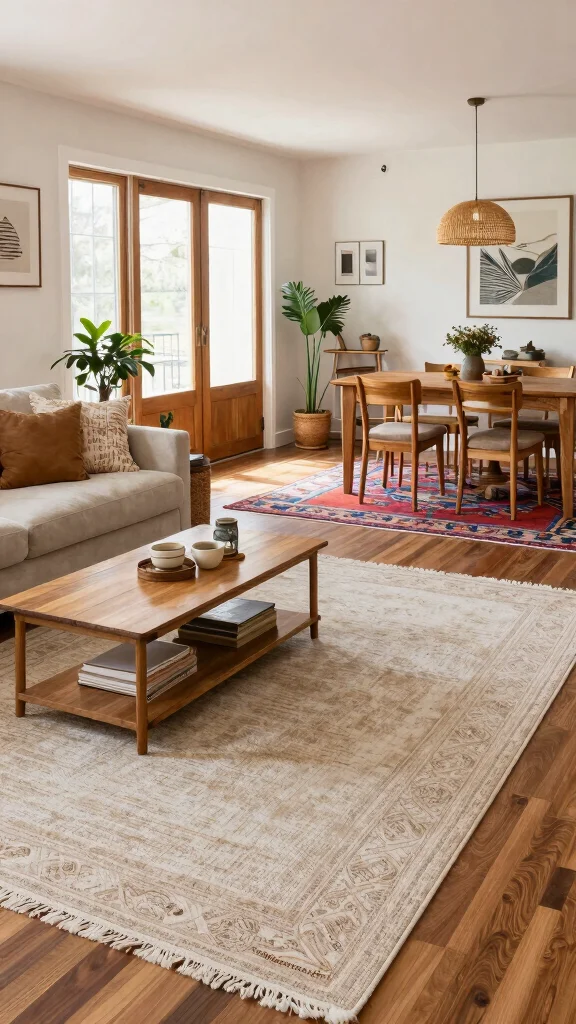
In open floor plans, layering rugs can effectively define different spaces while maintaining a sense of flow. Using rugs to separate functional areas, like the living and dining sections, helps create a cohesive yet distinct atmosphere. For instance, a large area rug can anchor the living space, while a smaller rug can delineate the dining area.
Consider these tips for success:
– Complementary styles: Ensure the rugs harmonize in color or style for a unified look.
– Consistent textures: Using similar textures can visually tie the areas together.
– Strategic placement: Position furniture partly on the rugs to foster a cozy, connected space.
This layering method enhances both the design and functionality of your home.
Recommended Products

Modern Area Rug for Living Room and More: The Monty Collection is a neutral and graphic area rug with an inviting high-low texture; beautifully designed by Amber Lewis x Loloi.
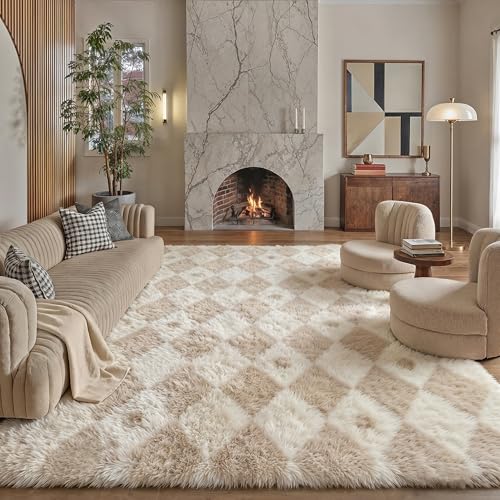
Plush Modern Design: PureCozy shag rug features a soft, fluffy microfiber surface with a full high-pile look that adds warmth and modern style to living rooms, bedrooms, kids rooms, and playrooms. Compared with low-pile rugs, the long shag creates a cozier, more cushioned feel underfoot.

Scandinavian Minimalist Line Area Rug for Living Room: U'Artlines 9x12ft Area rug features sleek and simple line patterns that exude a modern and refined vibe, paired with classic warm beige tones that effortlessly blend with any home decor style, adding a elegant cozy atmosphere to your living room, bedroom, dining area, kid's room, nursery, playroom or even home office
Layering Rugs on an Open Floor Plan
Editor’s Choice

10×14 Area Rugs Living Room: Washable Large Abstract Soft Rug Stain Resi…

Living Room Area Rugs 9×12: Abstract Washable Rug for Dining Room Non-Sl…
8×10 Area Rugs Living Room: Washable Large Abstract Soft Rug Stain Resis…

8×10 Washable Area Rug for Living Room & Bedroom, Extra Lager Soft Pink …

Area Rugs for Living Room: 5×7 Abstract Washable Rug Modern Neutral Larg…
7. Layering for Seasonal Changes
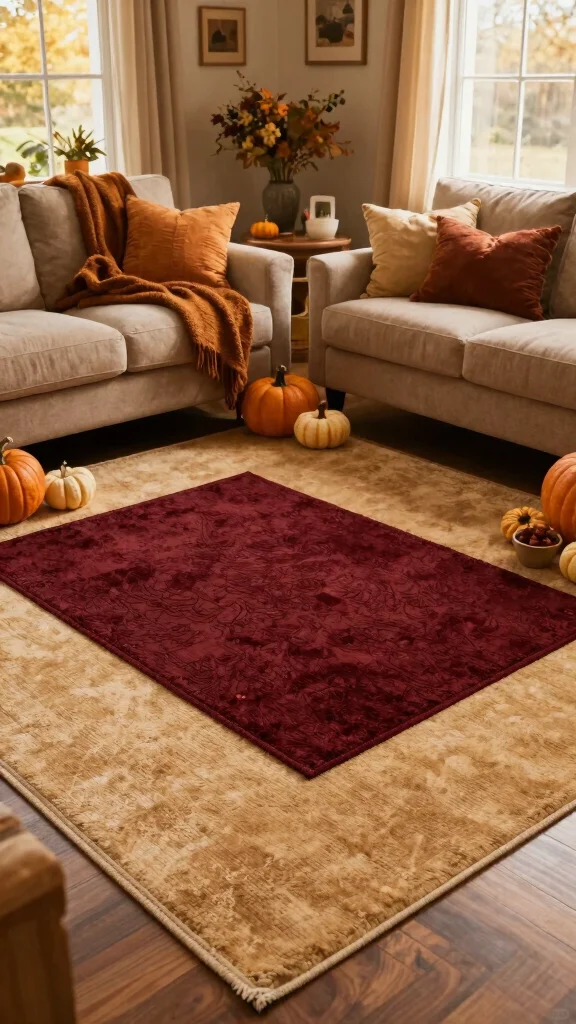
Layering rugs offers a fantastic way to refresh your living room’s look with the seasons. You can easily swap out top layers to reflect seasonal colors and textures—think lighter, brighter rugs for spring and summer, and rich, warm tones for fall and winter. This keeps your space feeling vibrant and alive throughout the year.
To make this practical, consider:
– Invest in versatile rugs: Choose rugs that transition well between seasons.
– Store top layers: Keep a selection of smaller rugs for quick seasonal changes.
– Decorate accordingly: Update other decor elements like throws and cushions to match your seasonal rug choices.
This method keeps your living room dynamic and inviting year-round.
Recommended Products

Natural Materials: This jute rug woven with a blend of 80% Jute and 20% Cotton, offers a natural choice for your home decor. Please note that shedding is common in jute rugs for the first few months. Please do not pull loose ends, if any
Material: 60% Jute, 30% Wool, 10% Cotton, Made by skilled artisans in India
Material: 60% Jute, 30% Wool, 10% Cotton, Made by skilled artisans in India
8. Mixing Vintage and Modern
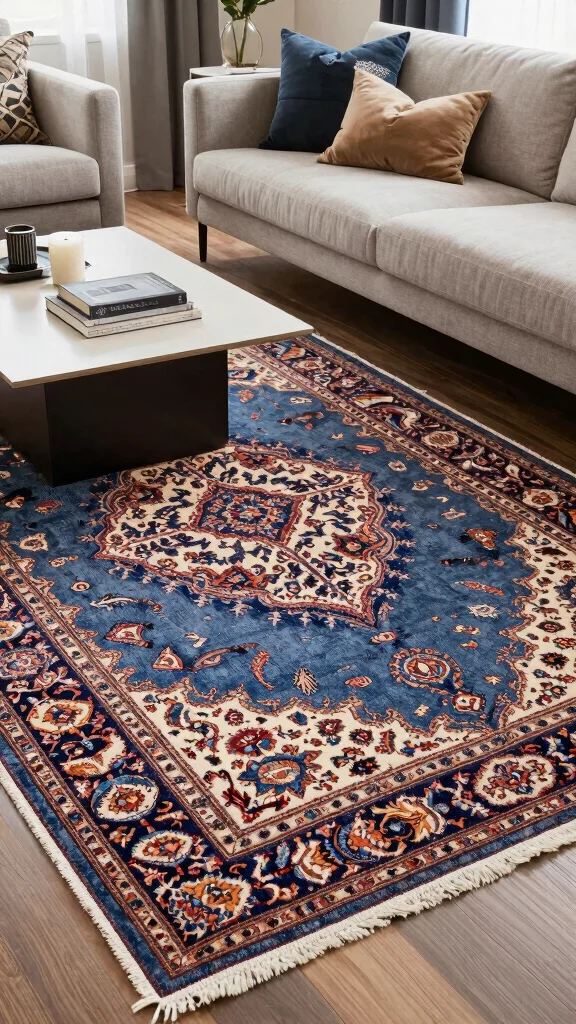
Combining vintage and modern rugs creates a striking contrast that tells a story in your living room. Picture a vintage Persian rug layered over a sleek, contemporary cut-pile rug. This juxtaposition adds character and intrigue, reflecting a blend of old-world charm and modern style.
Here are some tips to achieve this look:
– Keep a balance: Ensure neither style overwhelms the other; find a harmonious equilibrium.
– Use a common color palette: Choose rugs that share colors to create unity amidst contrasting styles.
– Accessorize wisely: Select decor pieces that bridge the gap between vintage and modern.
This layered aesthetic creates a curated, timeless feel.
Mixing vintage and modern rugs is the sweet spot for a rug layering living room—not too loud, not too tame. When you balance colors and scales, your space tells a story that feels both chic and welcoming. Pro tip: start with one shared color as your anchor.
Recommended Products

Expertly Crafted Durability: Ideal for large living spaces, the 8×10 Rugshop Modern Circles Area Rug in multi-color is crafted from 100% polypropylene with a jute backing, offering a durable and vibrant centerpiece.

Modern Twist on Vintage Charm: Bold medallion rug with delicate patterns in multiple colors hues. Timeless distressing adds character—complements traditional or modern spaces. Statement art piece for timeless appeal

Antique Rug Inspired: The Odette Collection area and runner rugs have a versatile design featuring motifs found in traditional Turkish textiles
Mixing Vintage and Modern
Editor’s Choice

SAFAVIEH Area Rug 8×10 – Vintage Hamadan Collection – Large – Red & Mult…
SAFAVIEH Area Rug 9×12 – Vintage Hamadan Collection – Large – Red & Mult…

Vintage Hamadan Collection Area Rug – 8′ Square, Red & Multi, Oriental T…

SAFAVIEH Hudson Shag Collection Area Rug – 6′ x 9′, Grey & Ivory, Modern…

SAFAVIEH Area Rug 8×10 – Berber Shag Collection – Large – Grey Blue & Cr…
9. Layering with Outdoor Rugs
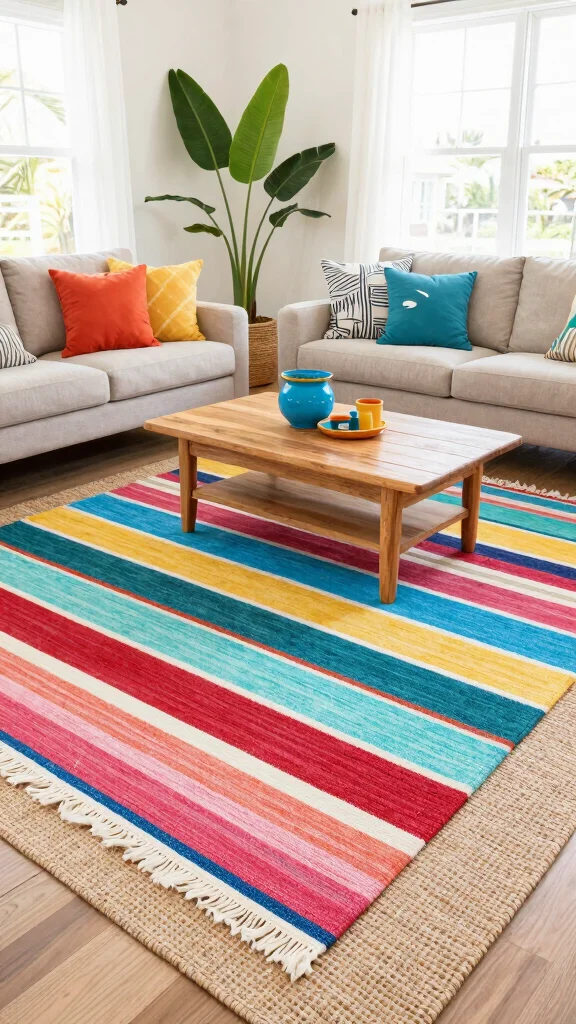
Don’t overlook the versatility of outdoor rugs! These durable, weather-resistant options can be brought indoors for a unique layering effect that adds an unexpected twist to your living room. Picture layering a bold striped outdoor rug over a natural fiber rug for a casual, beachy vibe. This combination introduces fun and functionality, especially in high-traffic areas.
Consider these tips:
– Opt for bold patterns: Outdoor rugs often feature lively patterns, perfect for enhancing your indoor decor.
– Check for comfort: Ensure the outdoor rug is comfortable for indoor use, particularly in barefoot areas.
– Pair with natural materials: Combine outdoor rugs with earthy materials for a cohesive, laid-back look.
This method brings a fresh, breezy feel to your living room.
Layering with Outdoor Rugs
Editor’s Choice

Colorful 5×8 Outdoor Area Rug Washable Multicolored Patio Rug Tropical B…
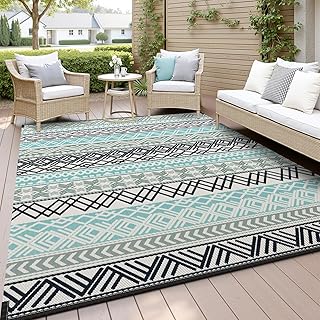
MontVoo Outdoor Rug Carpet Waterproof-Patio Rug Mat 5×8 Reversible RV Ou…

Outdoor Plastic Straw Rug Waterproof Patio 8×10 Red Orange Stripe Mat fo…

nuLOOM 5′ x 8′ Outdoor Tribal Geometric Area Rug, Stain Resistant, Weath…

Outdoor Rug 5×8 Ft, Waterproof Plastic Straw Patio Rug, Reversible Backy…
10. Playful Layering in a Kids’ Space
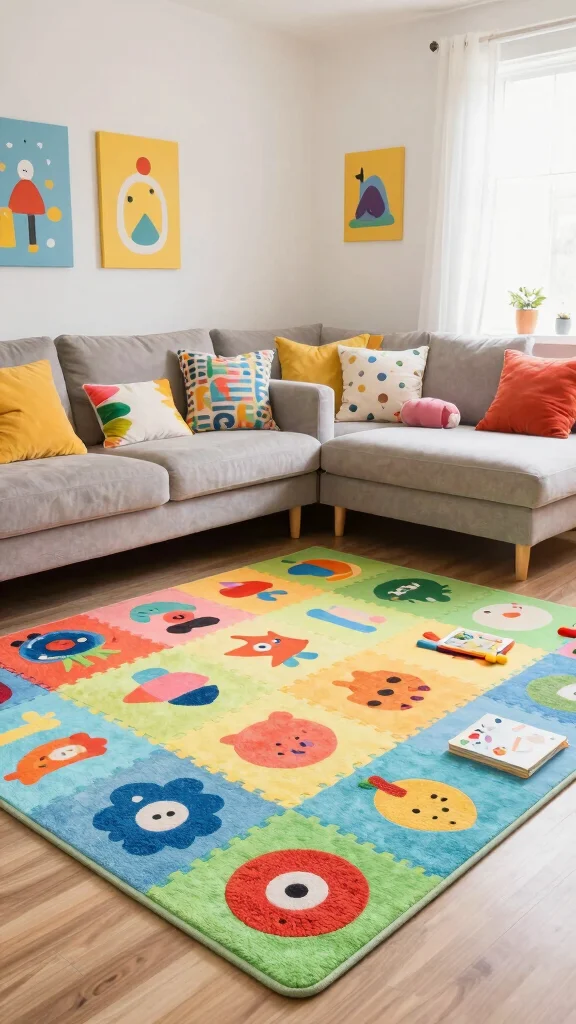
If your living room serves as a play area for kids, layering rugs can infuse color and playfulness into your design. Bright hues, fun patterns, and soft textures create a cozy, exciting space for children to enjoy. Imagine layering a soft foam play rug with a colorful, patterned area rug; this not only adds cushioning but also simplifies cleanup.
For a playful vibe, keep these ideas in mind:
– Choose washable materials: Look for rugs that are easy to clean, ideal for inevitable spills.
– Incorporate various shapes: Mix round, square, and rectangular rugs for added visual interest.
– Use bright colors: Opt for lively hues that inspire creativity and fun.
This approach transforms the living room into a vibrant, stylish play space.
11. Eco-Friendly Layering
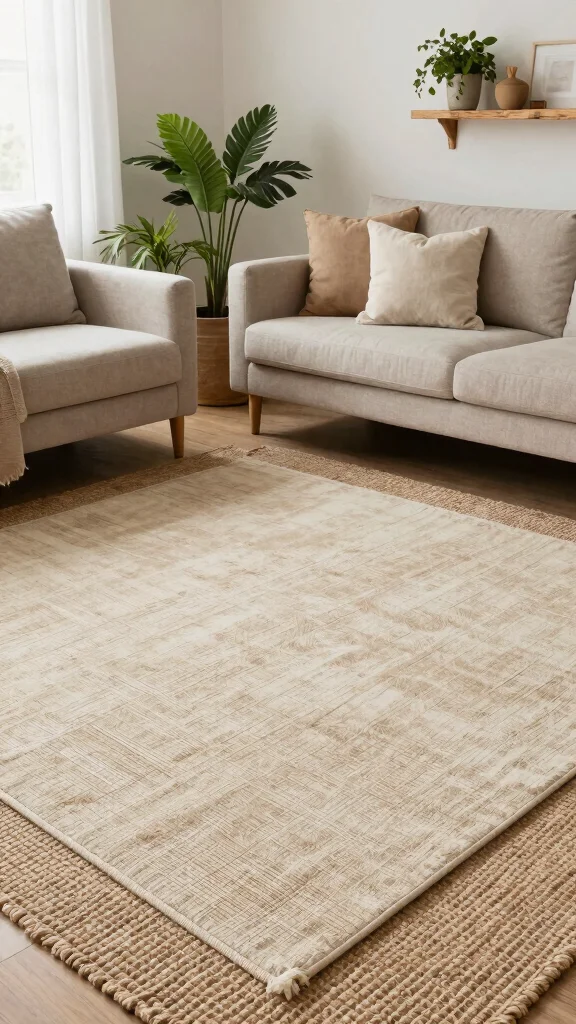
For those committed to sustainability, consider eco-friendly rugs made from natural materials like bamboo, reclaimed cotton, or jute. Layering these rugs enhances the aesthetic of your living room while supporting an environmentally conscious lifestyle. You might mix an organic cotton rug with a durable jute base, crafting a beautiful and eco-friendly look.
Implement these ideas:
– Research materials: Choose rugs made from sustainable resources and produced ethically.
– Create a calming palette: Stick to earthy tones that promote tranquility and a connection to nature.
– Accessorize with natural decor: Use elements made from wood, plants, or recycled materials to align with your eco-friendly theme.
This approach beautifies your space while contributing positively to the planet.
Conclusion
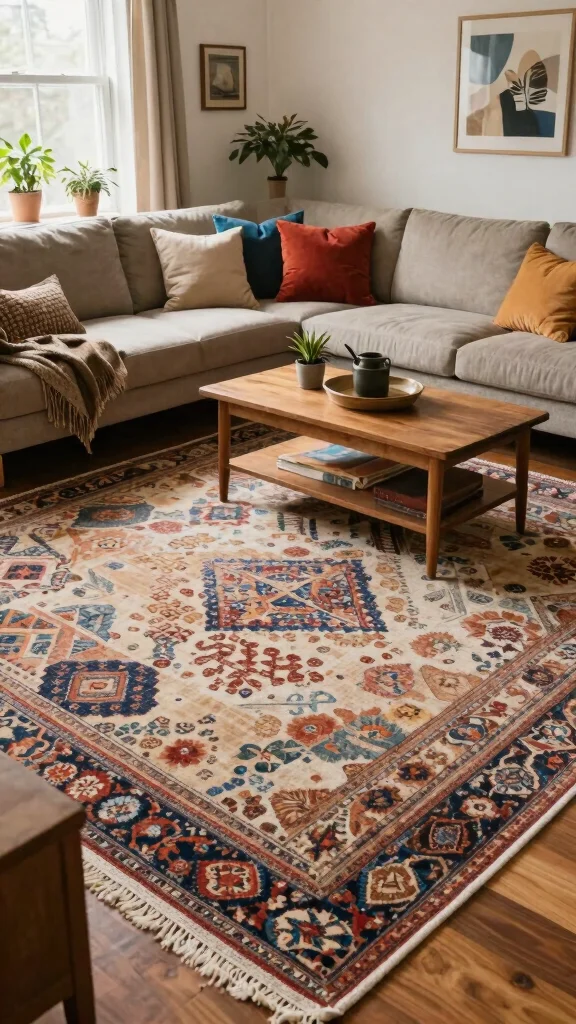
Layering rugs can dramatically change the look and feel of your living room, adding depth, interest, and warmth. Whether you prefer a bohemian vibe, a sleek modern aesthetic, or a playful space for kids, there’s a way to incorporate layered rugs that suits your style.
Experiment with textures, colors, and patterns to create a stunning and personalized space that reflects your unique personality. Happy decorating!
Note: We aim to provide accurate product links, but some may occasionally expire or become unavailable. If this happens, please search directly on Amazon for the product or a suitable alternative.
This post contains Amazon affiliate links, meaning we may earn a small commission if you purchase through our links, at no extra cost to you.
Frequently Asked Questions
What is rug layering living room and how can it add texture and depth to my space?
Rug layering living room refers to layering multiple rugs to create texture, depth, and a bohemian vibe in your space.
Start with a large base rug centered under your seating, then add a smaller top rug that partially overlaps. Choose natural fibers like jute, wool, or cotton for tactile variety, and mix pile heights for visual interest. Keep colors harmonious by sticking to a cohesive palette and let patterns play with scale rather than clash.
Practical steps: measure your seating area, pick a base rug that fits under all furniture legs, choose a top rug that defines the focal seating zone, leave some base rug visible around the edges, and add non-slip underlays to keep rugs in place. This approach works well for living room decor and decorative rugs, and it embodies texture in home decor and layered rugs ideas.
Which rug sizes and layering combinations work best for a bohemian living room?
Bohemian design shines with layering, and the right sizes help it read well. Use a large base rug around 8×10 or 9×12 under your sofa and chairs; in smaller rooms you can opt for 5×8 as the base. Add a top rug in 4×6 or 2×3 that sits over part of the base, often under a coffee table or within the seating area. Let the top rug peek out on all sides for dimension, or place it to create a defined zone. A common rule is to cover about 60-75% of the base rug for a balanced layered look while still showing the base texture. This approach supports layered rugs and decorative rugs use in living room decor.
How can I pick colors and patterns for layered rugs without clashing?
Start with a cohesive palette that matches the room: pick 2-3 colors that appear elsewhere in living room decor or decorative rugs. Use a neutral base rug and reserve a bolder pattern for the top rug. Balance scale: large, subtle base with a smaller, bold top works well in texture in home decor. If you are unsure, test layouts on the floor with painter’s tape to preview how pieces interact. Keep patterns varied but not competing, and let texture do the talking. This approach aligns with practical interior design tips to keep your rug layering living room cohesive.
What practical tips help keep layered rugs in place in a high-traffic living room?
Key moves: use a quality non-slip rug pad under the base rug, add rug grippers or double-sided tape at seams, choose flat-weave or low-pile top rugs to reduce trip hazards, and consider edge-to-edge underlays where needed. Leave a border of base rug visible for air and easier cleaning. Vacuum regularly and rotate top rug every few months to maintain color and texture in your rug layering living room setup.
What are some quick DIY ideas to start rug layering in a small living room?
Start with one budget-friendly base rug and add a second thrifted rug on top to create depth. Use natural fibers like jute or sisal for the base and a kilim or flatweave top rug for pattern. Make sure the top rug is smaller than the base so the base peeks out for that bohemian glow. Add tassels or fringe for extra texture, try rotating color accents via throw blankets and cushions, and use painter’s tape to sketch your layout before you buy. This keeps your project practical and doable within interior design tips and texture in home decor guidelines.
Related Topics
rug layering living room
bohemian decor
layered rugs
texture in home decor
living room decor
interior design tips
easy styling
decorative rugs
eclectic style
home improvement
beginner friendly
Leave a Reply