
The right rug color pulls a living room together in about an afternoon of decision-making, though most people lose their nerve at the swatch stage and default to safe gray. The trap is treating color as a finish instead of a function: the same terracotta that wakes up a dull corner can swallow a 9’x12′ room whole once unrolled. What changes the outcome is naming the mood out loud before you ever touch a sample, because warm tones invite conversation and cool tones settle the eye, and getting that wrong costs you a return trip and an empty wall where the rug budget went.
1. Start with the Mood You Want

Color sets the temperature of a room before you ever sit down. Warm colors like red, orange, and yellow pull people in and wake the space up, which works when you want the living room to feel like somewhere conversation actually happens. I have seen a mustard rug turn a dead corner into the spot where everyone ends up with their coffee. Too much of it, though, and the room starts to hum; the sources note that overdoing warm tones can feel overwhelming rather than welcoming.
Cool colors do the opposite. Blue, green, and purple settle the eye and slow the pulse, the same way a shaded porch does on a hot afternoon. A soft green rug underfoot can make a high-traffic living room feel like it breathes, especially when the walls are already busy with art or built-ins.
The useful move is naming the mood out loud before touching a swatch. Say "I want this room to feel calm" or "I want it to hold energy," then pick two colors that match that word. Hold them against a pillow or a print you already own. If the color echoes the feeling, you have your starting palette; if it fights it, you have saved yourself a return trip.
Recommended Products

Machine Washable & Superior Stain Resistance: Built for busy families and pet owners, this 8×10 tan vintage area rug is fully machine washable for hassle-free upkeep. It…
2. Decide What the Rug Does in the Room

The rug’s job in the room usually falls into one of two roles, and that choice flows directly from the mood you named in the first step. An anchoring rug carries the visual weight of the whole space, which means richer color saturation, bolder pattern, or enough scale to let the floor itself read as the design statement. An accent rug, on the other hand, steps back so your existing furniture stays the focus; here you want quieter tones, softer pattern, or something that reads almost as texture rather than color.
The mood you picked earlier tells you which role makes sense. A living room meant for calm or soft conversation tends to want the rug as anchor, grounding the seating so nothing feels adrift. A room already built around a strong sofa or a gallery wall usually needs the rug as accent, filling the floor without competing for attention. Get this wrong and you end up with two pieces shouting at each other, or worse, a bold rug under a bold couch that leaves the eye nowhere to rest. Color saturation and pattern boldness follow from that single decision: anchor demands confidence, accent demands restraint.
Recommended Products

2×6 Green Floral Rug: This pastel area rug features intricate flower and botanical patterns in green, blue and cream. The green patterned rug for hallway 2×6 is a great fit for your home decor, creating a cozy and elegant natural style charm

Neutral Abstract Rug: This 8'×10' rug features a distressed abstract design in subtle tones, adding a modern, artistic touch to your space. It blends effortlessly with any home style, instantly enhancing your living room, bedroom, dining area, or office

Soft Designed: This CHAMPLANT area rugs has a trendy faded style and a unique floral pattern, vintage tones blend perfectly with your home. This rug is made of high-quality faux wool fibers; Easy on the feet-soft as cotton balls; stain-resistant and non-shedding
3. Match the Floor, Sofa and Walls

The floor, sofa, and walls are usually the last things you can swap on a whim, so the rug has to do the bridging. Start by holding a sheet of white paper next to each fixed surface and notice the color cast — warm reads yellow or golden, cool reads blue or slate. Your rug should repeat that cast so the room feels intentional, not pieced together.
For beige walls with a gray sofa, the danger is everything turning muddy. A rug in taupe or stone ties the warmth of the walls to the cool of the upholstery without forcing a match. White walls with brown leather can go flat fast; cream or beige rugs warm it up, but an indigo or charcoal rug cuts through the sameness if the room needs focus. Navy walls with wood floors already have depth, so a lighter neutral or a pale patterned base keeps the floor from disappearing into the wall.
If the floor and sofa are already far apart in tone, you have more freedom. If they are close, like honey oak and a warm beige couch, the rug needs to create the difference your eye can not find on its own. That is where a cool blue-gray or a patterned multicolor piece with a pale base earns its place.
Recommended Products

Area Rug Size:72×24 inches/ 183x61cm/6×2 ft

Super Soft Fluffy Rug: The surface of Lairep's 4×6 shaggy rug is made of high-density, premium velvet material, making the fuzzy rug ultra soft and skin-friendly, warm and luxurious. Meanwhile, the plush area rug is lasting and will not shed, fade or odor. The center layer is a thickened shock-absorbing sponge that provides cushioning support and increases the thickness of the navy blue carpet, creating a comfortable area for your family

Designed to withstand everyday wear, this 6' 1 x 9' area rug is the perfect size for living rooms, dining rooms, and home offices, or anywhere you want to add a touch of timeless elegance.
4. Test Swatches in Real Light

A beige that reads warm and creamy at noon can flatten to something near gray once the sun drops and your LED lamps take over. That shift is why testing swatches in morning light, afternoon sun, and evening lamplight matters more than holding a sample up in the store.
Most rug retailers will mail small swatches for a few dollars, or include them free if you are already ordering a larger piece. Tape them to the floor where the rug will actually sit, not the coffee table, and live with them for a full day. Warm bulbs around 2700 K yellow and soften tones; cool daylight bulbs near 4000 to 5000 K keep colors crisper. Snap a phone photo in each condition and compare. The shift becomes obvious fast.
Rooms that get little natural light need a touch more saturation in the rug color, or the tone goes dull at night. Sun-filled spaces can handle softer neutrals without washing out. Stand in the doorway after dark with the lamps on, and pick the swatch that still holds its own against your sofa, walls, and flooring.
Recommended Products

Fluffy Rug with Rubber Backing: The biggest feature of this material is its amazingly soft touch, especially when you walk on it. This softness comes from thousands of 1.5 inches plush fibers. In addition, this soft fabric rug is crafted with high-density sponge layer and anti-slip backing to keep it in place and prevent sliding. The non-slip backing also protects floors from scratches

Versatile Decor Accent: Whether you're aiming for a contemporary or eclectic look,these Burnt Orange curtains effortlessly complement a variety of interior styles. Enhance your living room with the serene hues of Orange,creating a tranquil and inviting space that reflects your personal style.

Designed to withstand everyday wear, this 5' 3 x 8' area rug is the perfect size for living rooms, bedrooms, or anywhere you want to add a warm, inviting touch to your home.
5. Choose for Traffic and Cleanup

Synthetic fibers like nylon and polyester repel stains up to 50% better than untreated wool, which matters more than most people expect when they’re standing in a showroom deciding between cream and charcoal. High-traffic living rooms need darker values or busy patterns that hide wear between vacuumings, and that practical constraint can feel like it’s fighting the calm mood you wanted. It doesn’t have to. A medium shade that echoes your sofa or floors, maybe a variegated blue or muted olive, still reads as settled without showing every crumb from movie night.
If pets are part of the household, a tone that loosely matches their fur saves you from daily panic over shedding. The same goes for kids and shoes-worn-indoors households: charcoal, navy, chocolate, or patterned greens stay tidy longer than pale solids. For a low-traffic formal space, you can follow preference alone, but most living rooms earn their keep. Test a swatch on the floor, walk across it in the evening, and photograph it ten minutes later. If the color still looks balanced against your sofa and walls after that small abuse, you’ve found something that survives both the mood you want and the life you actually live.
Recommended Products

Ultra Soft & Non-slip: Featuring a shaggy carpet surface, the Ophanie soft area rug is highly soft with a high-density sponge interlayer. This rug effectively reduces shedding, and the non-slip bottom with small, durable anti-slip dots enhances friction to prevent sliding.

Versatile for Any Home Décor: Featuring modern abstract patterns, soft neutral tones, and a subtle distressed look, this area rug complements minimalist, farmhouse, and boho interiors. Its slim profile fits under doors and furniture, making it ideal for the living room, bedroom, dining room, entryway, office, playroom, and more

Elegant Floral Rug: This 9×12 area rug vintage-inspired botanical rug blends rich dark greens, vibrant and delicate floral complements any decor style, from vintage and bohemian to farmhouse and modern. Perfect rugs for living room, bedrooms, dining room rugs for under table, entryways, kids' playrooms, or home offices, it adds warmth and charm to any space. Both durable and stylish, it withstands high-traffic areas while maintaining a cozy, inviting appeal
Material and What It Means for Color

Wool takes dye in a way synthetics never quite match. The fiber’s natural crimp catches light at different angles, so even a deep navy or burgundy keeps shifting rather than sitting flat. That same structure makes wool rugs hold their color for years in a busy living room, though you’ll pay for professional cleaning when the time comes. Jute and sisal don’t really take dye at all; you’re working with the plant’s natural tones, from sandy beige to raw umber, and the color range ends there. The tradeoff is texture that grounds a space without competing for attention.
Synthetics like nylon and polyester expand what color can even mean in a rug. Manufacturers can hit colors and patterns wool simply won’t attempt, and the stain resistance is real: treated synthetics repel spills roughly 50% better than untreated wool, which matters when you’re choosing a pale color for a high-traffic room. The catch is how the color lives in the fiber. Polyester especially can look almost too even, too saturated, like printed fabric rather than something that grew into its shade. If you want a neutral that reads as interesting rather than flat, wool’s uneven surface wins; if you want a bold pattern in a color that would never occur in nature, synthetics are your only path.
I used to assume natural meant better and synthetic meant settling. Reading through enough material breakdowns convinced me the choice is better framed as where you want the color to come from: the fiber itself, or the engineering applied to it.
Recommended Products

Pile: Polypropylene – Backing: Jute – Weave: Machine Woven (Power Loomed) – Made In: Turkey

[COLOR & DESIGN]: SAFAVIEH's Monaco area rug showcases a distressed traditional medallion pattern in grey tones with light blue accents; actual color may appear darker or lighter than shown, depending on lighting and screen settings.

[Striking Abstract Design]: Our abstract modern rug stands out with a striking mix of bold color blocks and eye-catching organic textures. It brings a touch of cutting‑edge elegance to living rooms, bedrooms, kids’ rooms and more, and fits right in with minimalist styles without even trying.
Size and Where the Front Legs Go

An 8’x10′ or 9’x12′ rug covers most living rooms where the sofa sits against a wall. The front legs of every major piece, sofa and chairs both, need to land on the rug at minimum. Anything smaller, and the seating area starts to feel like it’s floating rather than grounded.
Size changes how color behaves. The same terracotta or navy that reads as a quiet accent on a 5’x8′ sample becomes a wall of color once it fills a 9’x12′ field. I learned this the hard way with a rust-toned rug I loved in the store. Unrolled at home, it swallowed half the room. A larger rug gives a bold color more territory to dominate, so if you’re drawn to something saturated, the bigger the format, the more you’ll need to balance it elsewhere.
Recommended Products

Botanical Style for Cozy Spaces: Featuring an ivory base with blue and green botanical florals, this DCX 8×10 living room rug brings a light, airy feel to your living room. Its vintage-inspired design complements neutral sofas and wood furniture, blending with French country, boho, and modern interiors. Colors may appear lighter in natural daylight and deeper under warm indoor lighting

【Living Room Patchwork Rug】The DweIke area rug features a unique geometric pattern with color-blocking elements, complementing bedrooms, offices, dining rooms, kitchens, and home decor

Machine Washable & Easy to Clean: The surface features water-repellent performance for simple cleanup when drinks spill accidentally, reducing the chance of liquid soaking deep into fibers. You can wipe spills quickly with a towel, remove local stains via spot cleaning with a damp cloth, or regularly vacuum for daily upkeep. The whole rug supports machine washing for deeper cleaning
Solid, Pattern or Texture

Solid rugs give a room a quiet base to build on, especially when the sofa or the art already carries enough visual weight. I learned that the hard way after laying down a flat, machine-made gray rug that just sat there, dead underfoot. Same color, same room, but the weave had no life in it.
Pattern changes the math entirely. A traditional rug in soft ivory with detail woven into it stops the color from fading into the background, and the pattern itself hides the wear that shows first on open floor space. Large-scale patterns work best in larger living rooms, where they can make a grand space feel more intimate; tighter, small-scale patterns read almost as texture from a distance and suit smaller rooms or spaces that already have bold fabrics elsewhere.
Texture is the piece most people skip, and it matters as much as the hue. A shag rug in deep blue reads softer and warmer than a flatweave in that same deep blue, even under identical light. The pile catches shadow differently, changes how the color feels against bare feet, shifts the whole mood of the room. If a neutral rug looks dull, the construction is usually the problem, not the color. A hand-tufted wool weave gives quiet colors real depth; a flat machine weave leaves them flat and boring. When the room already feels busy, a solid with some tactile variation in the weave grounds the space without adding clutter. When the room feels too plain, a pattern or a high-pile texture adds the character that color alone cannot carry.
Recommended Products

Unique Abstract Art Rugs: Our modern abstract area rugs pour infinite creative inspiration into your living space. This 5×7 blue abstract rug with navy grey striped features free-flowing abstract line elements for a perfect collision of modern and contemporary. We offer a wide range of styles, including abstract, minimalist, modern, art deco, accent and more, ensuring that each rug will be the finishing touch to elevate the style of your home.

🍒UPGRADED NON-SLIP BOTTOM: The High-density small and durable anti-slip dots at the bottom enhances the friction between the rug and the floor to prevent it from sliding around on your floors. No need for an additional pad underneath.

【Versatile Modern Minimalist Design】: This is a sleek modern-style rug built on a clean solid-color foundation. Subtle linear textures add gentle depth while keeping the minimalist vibe intact. The area rug' s understated pattern makes the design highly versatile. It fits smoothly into contemporary, rustic, or even traditional spaces. The simple yet refined look balances sophistication and everyday ease, which can unobtrusive focal point that elevates any room’s aesthetic.
Layer a Smaller Rug Over a Base

A large neutral base rug, something in jute or a flatwoven ivory, gives you the floor coverage you need without locking in a color you might regret. Layer a smaller, bolder rug on top and you suddenly have twice the options: a Turkish kilim, a vintage Persian, even something striped or geometric that would have been too loud wall-to-wall. The base does the practical work of catching dirt and defining the seating area; the top layer does the personality. For renters, this is the closest thing to having it both ways. You get color and pattern underfoot, but when the lease ends you roll up the piece you love and leave behind the cheap insurance policy. I have seen this done with a 9×12 natural fiber underneath and a 5×8 Moroccan shag shifted slightly off-center, which keeps the eye moving and hides the fact that neither rug was sized to the room exactly. The trick is keeping the top rug thick enough to read as intentional, not like a bath mat you dropped by accident. Half an inch of pile difference usually does it; more than that and you will trip every time you stand up for another drink.
Recommended Products

Tiger Tribal Rug: Stand out with this eye-catching tiger-print rug, ideal for boho, vintage, or global-themed spaces. This lively rug tells a story through its shell and floral motifs that symbolize protection and growth. The color palette pairs warm tones like terracotta and chocolate brown with dusty blues and bright teal to evoke the power of earth and sky.
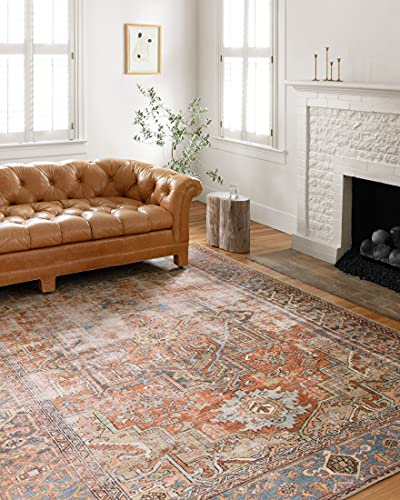
Designer Aesthetic: The stylish pieces from the Loren collection blend traditional, vintage, and modern design that exudes elegance.The collection infuses distressed boho textures with modern materials and colors for a Moroccan inspired style.

Soft & Lightweight: These sheer panels feature ultra soft and lightweight fabrics for elegant hanging compared with other similar sheer curtains.
Frequently Asked Questions
Recommended Products

CLOUD LIKE SOFTNESS & SUPREMELY COZY: Treat bare feet to absolute comfort. Crafted from premium faux wool, this living room rug delivers a luxuriously velvety soft texture that shields toes from cold floors. The tightly woven fibers to be non-shedding and durable, provides a relaxing environment.

9×12 WASHABLE RUG: At just 0.25" thin, this 9×12 rug fits under low-clearance furniture and won't block your robot vacuum. The dense low-pile surface traps dirt on top, Gently wipe to remove stains, and it's machine washable for effortless care

Machine Washable & Easy to Clean: The surface features water-repellent performance for simple cleanup when drinks spill accidentally, reducing the chance of liquid soaking deep into fibers. You can wipe spills quickly with a towel, remove local stains via spot cleaning with a damp cloth, or regularly vacuum for daily upkeep. The whole rug supports machine washing for deeper cleaning
What color rug should I get for my living room?
Pick a color that matches the mood you want to create. Warm reds, oranges, and yellows pull people in and wake the space up for conversation. Blues, greens, and purples settle the eye and slow the pulse for a calmer feel. Hold your two best options against a pillow or print you already own; if the color echoes the feeling you named, you have your starting palette.
How do I choose a rug color for my living room?
Start by naming the mood out loud, like calm or energizing, then decide whether the rug anchors the room or plays accent. An anchoring rug carries visual weight with richer color or bolder pattern. An accent rug steps back with quieter tones so your furniture stays the focus. That single decision tells you whether to reach for confidence or restraint in color saturation.
What size rug do I need for my living room?
An 8’x10′ or 9’x12′ rug covers most living rooms where the sofa sits against a wall. The front legs of every major piece, sofa and chairs both, need to land on the rug at minimum. Anything smaller and the seating area starts to float rather than feel grounded. Remember that a bold color on a 5’x8′ sample becomes a wall of color once it fills a 9’x12′ field.
Leave a Reply