
A king bed rug that actually anchors the room takes one afternoon, a second pair of hands, and usually a 9 by 12 foot rug that costs more than the 8 by 10 you hoped would work. The stage most people get wrong is not the measuring; it is clearing the room first, because wrestling a king mattress twice in the same day is a mistake your shoulders feel for days.
1. Clear the Space

King beds are heavy enough that shifting one twice in the same afternoon is a mistake you feel in your shoulders for days. Clear every side table, bench, and stray basket out of the bedroom first, not after you have already wrestled the mattress halfway off the frame. The sources I read split on whether you can get away with propping the corners and sliding the rug underneath; on hard flooring, furniture sliders or a lift tool sometimes work, but on carpet the bed usually has to come apart and lean against the wall. Either way, you need a clear runway on all sides to maneuver without knocking anything over. Sweep or vacuum while the floor is bare; grit trapped under a new rug will grind into both the rug backing and the floor finish underneath it.
Recommended Products

Classic Vintage Area Rug: The vintage medallion design of the living room rug adds a timeless appeal that complements various decor styles. Whether your home leans towards a modern aesthetic or a cozy, rustic vibe, this carpet seamlessly integrates into your existing decor while providing a touch of retro flair. The beige rug provides a neutral backdrop, allowing it to enhance the beauty of your space without overwhelming it.

WASHABLE RUG: This is a fully machine washable area rug for extra convenience. machine wash this living room rug in cold water alone for a deeper clean. regular vacuuming and spot cleaning will keep the rug looking fresh while the colors stay vibrant and won't fade, perfect for busy households with kids and pets

Neutral Floral Design: Chic neutral floral pattern features timeless elegant looks. It matches most home decor styles seamlessly and enhances your room aesthetic easily.
2. Measure the Bed and Room

A standard king bed measures 76 by 80 inches, and that footprint eats more floor than most people picture until they roll the tape. I lay mine out with a metal tape, not the fabric kind that bends under its own weight, and I mark wall-to-wall in two spots per wall because corners are rarely square.
Door swing is the detail that trips up a weekend project. A rug that looks generous on paper becomes a daily annoyance when a bedroom door catches its edge or a closet door won’t open past 90 degrees. I measure the arc of every door, including the bathroom if it opens into the sleeping area, and I note where that arc meets the floor.
The clearance between rug edge and wall matters more in a king setup than with smaller beds because the rug itself is larger and the room often isn’t. Leave 6 to 12 inches of bare floor between the rug and any wall. Less than six inches and the rug looks like a wall-to-wall mistake; more than twelve and it floats, unanchored, in a room that already has too much open space around a bed this size. I treat that range as a hard limit, not a suggestion, especially in rentals where I can’t move a door frame to fix a bad choice.
Recommended Products

Functional&Decorative: The modern area rugs can function as carpets or cushions for walking or sitting, but also can connect two separate parts together for handsome decoration

Neutral Abstract Rug: This 8'×10' rug features a distressed abstract design in subtle tones, adding a modern, artistic touch to your space. It blends effortlessly with any home style, instantly enhancing your living room, bedroom, dining area, or office

Ultra Soft & Non-slip: Featuring a shaggy carpet surface, the Ophanie soft area rug is highly soft with a high-density sponge interlayer. This rug effectively reduces shedding, and the non-slip bottom with small, durable anti-slip dots enhances friction to prevent sliding.
3. Choose the Rug Size

A 9 by 12 foot rug is the size that actually fits most king beds without looking like a bath mat the bed forgot it owned. The bed sits on it with breathing room on all sides, and you still land on something soft when you swing out in the morning.
That said, four sizes cover the real range of rooms people actually have:
| Rug size | Best for | Nightstands on rug? | Side margin |
|---|---|---|---|
| 10 x 14 ft | Large, open layouts | Yes | 24+ in. |
| 9 x 12 ft | Most primary bedrooms | Yes | 18–24 in. |
| 8 x 10 ft | Smaller rooms, tighter budgets | No | 18 in. minimum |
| 6 x 9 ft | Minimal coverage only | No | n/a |
The 8 by 10 works if you place it a few inches forward of the nightstands so it still clears the foot of the bed. The 6 by 9 is your narrowest option: it only runs under the bottom two-thirds of the bed, so nothing under your nightstands and no margin to speak of. Fine for a quick refresh, but the bed will read as floating.
Whatever you pick, keep 18 to 24 inches of visible rug on both sides. Below that, the room starts to look like the rug wandered in by accident.
Recommended Products

Sufficient quantity: each pack comes with 6 packs of artificial grass mats with a size of about 12 inches / 30 cm x 12 inches / 30 cm x 1 inch / 2.5 cm; the artificial grass turf patches with a realistic appearance are suitable for indoor and outdoor decorations

Stylish & DIY:Our square carpet is not only suitable for most home decor styles, but also allows for flexible DIY assembly and disassembly,as well as flexible cutting to meet your diverse needs.Each mat is 12 "x12" in size,totaling 6 pieces, and can be placed in different areas of the home to create your creative space.Note: Colors may vary under different lighting conditions.

4. Position the Rug

18 to 24 inches of visible rug on both sides and across the foot of the bed is what separates a bed that looks settled from one that seems to hover over the floor. I used to think the rug just needed to be bigger than the mattress somehow, but the exact margin matters more than I expected. Too little overhang and the bed frame reads as disconnected from the rest of the room; too much and the rug starts fighting the walls for space.
The 18-inch minimum gives you a soft landing when you swing your legs out in the morning, while the 24-inch end leaves enough visual weight that the rug holds its own against a king’s bulk. What convinced me, reading through a dozen of these guides, was the consistency of that range across every source that bothered with numbers at all. A 9×12 rug in a standard room hits this almost automatically if you center it, which is why that size keeps coming up as the default. An 8×10 still works if you place it carefully, but you are working with tighter margins and less forgiveness if your bed shifts an inch or two.
Recommended Products

【Ultra Soft & Skin Comfort】Step onto cloud-like softness every day. Smiry plush shag area rug's fibers feel gentle on bare feet—suitable for stepping out of bed in the morning, relaxing after a long day, or creating a soft tummy-time area for your baby in the nursery.

Soft Faux Cashmere for Everyday Comfort: Made with a 280GSM faux cashmere velvet surface, this 8'x10' large area rug feels smooth and cozy under bare feet for daily routines, quiet lounging, family time, or pets resting nearby

Fluffy Rug with Rubber Backing: The biggest feature of this material is its amazingly soft touch, especially when you walk on it. This softness comes from thousands of 1.5 inches plush fibers. In addition, this soft fabric rug is crafted with high-density sponge layer and anti-slip backing to keep it in place and prevent sliding. The non-slip backing also protects floors from scratches
5. Adjust for Nightstands

A 9×12 rug or larger is the only size that lets both nightstands sit fully on the rug, which gives the most balanced, symmetrical look. Anything smaller, and the nightstands end up half on and half off, or completely off the rug, which reads as accidental rather than intentional.
With an 8×10, the rug typically starts in front of the nightstands and runs under the lower two-thirds of the bed. You still see plenty of rug on three sides, but the nightstands stay on the bare floor. A 6×9 forces you even lower, usually just under the bottom half of the bed.
Let the rug size decide the placement, not the other way around. Forcing a smaller rug to stretch under nightstands by scooting it toward the headboard leaves you with barely any rug showing at the foot, which defeats the purpose. If the room cannot handle a 9×12, the two-thirds placement is the cleaner compromise. The bed stays centered on the rug, the nightstands stay off, and the whole arrangement looks deliberate.
Recommended Products

ifrmmy non-adhesive anti slip pad is the perfect solution to stop mattresses from sliding, use the high quality pvc foam materials, extra strength gripper pad keeping mattress tightly in place, you can get a restful sleep.
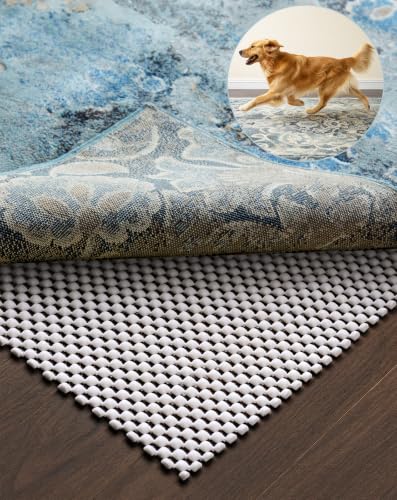
Non-slip Protection: Our pad's signature grip keeps rugs securely in place, preventing bunching and sliding during daily use. It also protects your floors from wear and tear, including damage from high heels, children at play, and more.

THE ORIGINAL EXTRA STRONG GRIPPER: our trusted Gorilla Grip nonadhesive rug pads offer a unique, dual sided grip that firmly holds onto both the rug pad and your hard floor to help prevent rug movement
6. Secure the Rug

A rug pad does two jobs that are easy to overlook until you step onto cold hardwood at 6 a.m. It grips the floor so the rug does not drift, and it adds a layer of cushion that makes a thin weave feel thicker than it is. On hard floors especially, that extra padding keeps the rug from wearing in the exact spots where your feet hit every morning.
For thinner rugs or carpeted bedrooms, rug tape works instead. It is double-sided, sticks to the floor and the rug backing, and holds the rug flat without the bulk of a full pad. The tradeoff is less cushion, which matters less on carpet and more when you want the rug to sit almost flush with the floor.
Recommended Products

Retro Area Rug: This WondRg rug features a floral pattern that adds warmth and charm to your home. The retro floral design blends easily with modern, farmhouse, or classic décor, making it a versatile accent for living rooms, bedrooms, hallways, kitchens, or offices.

CLOUD LIKE SOFTNESS & SUPREMELY COZY: Treat bare feet to absolute comfort. Crafted from premium faux wool, this living room rug delivers a luxuriously velvety soft texture that shields toes from cold floors. The tightly woven fibers to be non-shedding and durable, provides a relaxing environment.

Pet-friendly and slip-resistant surface: This area rug has a simple color and a luxurious feel. By using our pet-friendly and easy-to-clean carpet, you can enjoy a better time at home. This design adds a soft and luxurious element to your home, and is very suitable for use as a bedroom carpet, perfectly matching family life.
7. Reassemble the Room

Moving the bed back is where most rug placements fall apart. The mattress is heavy, the frame corners dig into your shoulders, and by the time you get it close to where it started, the temptation to call it good is real. Every piece of furniture needs to sit fully on the rug or fully off it. Nightstands half on and half off look like a mistake, and they actually are one: the uneven footing makes them rock, and the lip of rug catching a leg becomes a tripping hazard the first time you reach for water at 2 a.m.
I check the nightstands first, then the bench or chair at the foot of the bed if there is one. A rug that disappears under the bed frame with only a few inches showing on the sides might as well not be there. The point is the soft landing when you swing your feet out, which means at least 18 to 24 inches of visible rug beyond the mattress edge on the exposed sides. Anything less and you end up with one foot on wool and one on cold floor every morning. If the rug you bought forces a choice between that minimum and fitting the nightstands on top, the nightstands lose. Two-thirds placement, with the rug starting in front of the stands and running under the lower two-thirds of the bed, keeps the landing zone intact without crowding the room.
Recommended Products

PET FRIENDLY & NON-SLIP BACKING: 8×10 area rugs featuring simple of colors while promising a luxurious feel underfoot. The blend of a hexagon pattern and a stylish design. Non-slip backing makes the covering for bringing your space together. Make the most of your time at home with our pet-friendly and easy-to-clean area rugs. Elevate the floors of your home with this show-stopping and detailed rug

Great Value & Chic Style: This 10×14 area rug adds a vibrant touch to your living room with its beautiful colors and subtle pattern that complements your furniture and decor. It's soft to the touch and looks as elegant as more expensive entryway rugs, offering excellent value for its quality.

Ultra Fluffy Living Room Rug: 8×10 living room rugs is made of high-quality microfiber and memory foam. Soft and comfortable touch, you will feel like walking on the clouds whether you are standing, sitting or lying. While enjoying the warmth and comfort, this rug will not shed, making it an ideal choice for the bedroom, living room or nursery.
Rug Placement Options Compared

The three placements that matter for a king bed split cleanly on budget and floor space. Full under-bed coverage with a 9′ x 12′ rug frames the entire sleeping area plus both nightstands, but it demands roughly two feet of exposed rug on every side and a room large enough to breathe. In tighter bedrooms, that same 9′ x 12′ shifts to two-thirds placement, starting just in front of the nightstands and running under the lower two-thirds of the bed; an 8′ x 10′ works here too, especially when nightstands stay off the rug entirely for stability on hard flooring. The cheapest option, foot-only placement, floats a smaller rug under just the bottom half and lets it extend past the footboard; it reads casual and suits rooms where the bed dominates the wall.
| Placement | Best Rug Size | Nightstands On/Off | Room Size | Cost Level |
|---|---|---|---|---|
| Full under-bed | 9′ x 12′ | On | Large | Highest |
| Two-thirds | 9′ x 12′ or 8′ x 10′ | Either | Medium | Moderate |
| Foot-only | 5′ x 8′ or 6′ x 9′ | Off | Small | Lowest |
I reach for full coverage first whenever the room has the space to let the rug breathe on each side. The symmetry follows every standard design rule, and walking onto rug first thing in the morning matters more than I expected. When the room is medium-sized, two-thirds placement is the practical compromise; you still see plenty of rug on three sides without forcing the nightstands onto an already tight footprint. Foot-only placement saves the most money but can make the bed look visually disconnected from the floor, so I only use it in genuinely small rooms or when the rug is doing double duty as a color accent rather than an anchor.
Recommended Products

Highlighted 1/8" ruler markings along edge of ruler for measurement and placement accuracy

【Secure Grip for Every Step】 Built with upgraded TPR rubber backing, this non-slip rug stays firmly in place on hardwood, tile, laminate, and vinyl floors—no sliding, bunching, or curling. Perfect for homes with seniors, or pets, it provides stable footing in high-traffic areas. Reducing the risk of slips while protecting your floors.

Stylish & DIY:Our square carpet is not only suitable for most home decor styles, but also allows for flexible DIY assembly and disassembly,as well as flexible cutting to meet your diverse needs.Each mat is 12 "x12" in size,totaling 6 pieces, and can be placed in different areas of the home to create your creative space.Note: Colors may vary under different lighting conditions.
Rugs Over Carpet

Wall-to-wall carpet in a bedroom can flatten everything into one visual plane, which is where a rug layered on top adds warmth and actual definition around the bed. The bed stops looking like it is floating in an undifferentiated field of beige. I was skeptical about this until I saw how much the carpeted room gained from the extra texture; the bed area suddenly read as intentional rather than default.
A thinner rug works better here so the bed frame stays stable and you are not wobbling on a too-soft stack. Distinct pattern or texture helps the rug hold its own visually against the carpet, and sizing larger than instinct suggests keeps the rug from disappearing underneath. Runners along each side of the bed cost less and still define the space if a full area rug feels like too much commitment on top of existing carpet.
Recommended Products
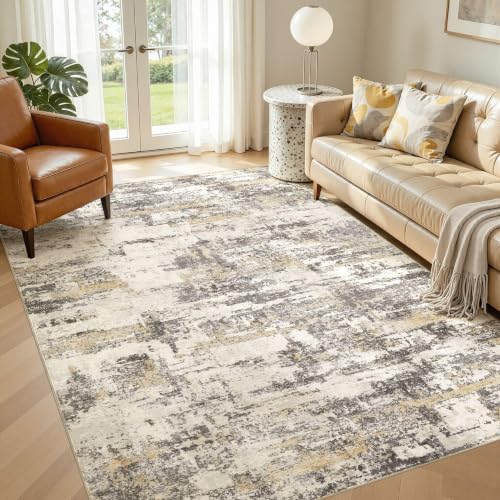
CLOUD LIKE SOFTNESS AND SUPREMELY COZY: Treat bare feet to absolute comfort. Crafted from premium faux wool, this living room rug delivers a luxuriously velvety soft texture that shields toes from cold floors. The tightly woven fibers to be non-shedding and durable, provides a relaxing environment.

Soft Faux Cashmere for Everyday Comfort: Made with a 280GSM faux cashmere velvet surface, this 5'x7' area rug feels smooth and cozy under bare feet for daily routines, quiet lounging, family time, or pets resting nearby

【Ultra Soft & Skin Comfort】Step onto cloud-like softness every day. Smiry plush shag area rug's fibers feel gentle on bare feet—suitable for stepping out of bed in the morning, relaxing after a long day, or creating a soft tummy-time area for your baby in the nursery.
Why Rug Size Matters

A king bed spans 76 by 80 inches, which already eats most of a wall. Without enough rug around it, the mattress sits like a raft in open water. The right size pulls that mass down to earth and gives the room a center of gravity.
The general rule is 18 to 24 inches of rug visible on both sides and the foot of the bed. That margin is what separates an intentional look from a rug that reads as randomly tossed down. For most primary bedrooms, a 9-by-12-foot rug hits this mark while extending past both nightstands. An 8-by-10 works in tighter rooms, though you will place it a few inches in front of the nightstands rather than under them. Anything smaller, like a 6-by-9, only covers the bottom two-thirds of the bed and leaves the nightstands entirely on bare floor.
The payoff is practical, not just visual. Those extra inches give you softness underfoot when you climb out at 6 a.m., and they keep the bed from feeling like a floating island in a sea of hardwood or carpet.
Recommended Products

KEEP COUCH CUSHIONS FROM SLIDING: ECOHomes non slip grippers for couches and sofas puts a halt to your couch or sofa cushions from sliding all over the place. Keep your couch cushions in place now with these stopper pads!

Dual Sided Grip Pad:The Foboull Mattress Pad is the ultimate solution to help prevent slipping and sliding mattresses; the slip resistant pad is powered by its unique dual sided grip; it firmly grips both your mattress and your box spring to help prevent sliding designed to hold even the heaviest mattresses in place

Powerful Anti-Skid Protection: Featuring an over 30% thicker design (0.1" vs. standard 0.07" pads), BAGAIL rug pads provide stronger grip and cushioning to keep rugs securely in place. This helps prevent bunching in high-traffic areas, reducing trip hazards on hardwood floors and making homes safer for active kids and pets
What to Avoid

A rug that disappears under the bed frame defeats the whole point. The most common mistake is going too small: when most of the rug hides beneath the mattress, it stops anchoring the room visually and starts looking like an afterthought. If you are unsure, size up rather than down.
- Blocking a door swing with pile height is a frustration you only notice after everything is set. Measure the gap from your door bottom to the floor before you buy, especially with thicker rugs, or you will end up with a speed bump every time you enter.
- Nightstands that sit half on and half off the rug throw off the whole arrangement. Each piece of furniture should land fully on or fully off; anything in between looks accidental and can actually tip.
- Skipping the pad on hard floors costs you comfort, safety, and how long the rug lasts. The pad is not optional there.
- Uneven extension on one side, usually from pushing the rug flush against a wall, reads as a sizing error even when the dimensions are technically right. Step back and check the visual weight on both sides of the bed before you call it done.
Frequently Asked Questions
What size rug is best under a king bed?
A 9 by 12 foot rug fits most king beds without looking undersized. It leaves 18 to 24 inches of visible rug on both sides and across the foot, and both nightstands sit fully on top. Drop to an 8 by 10 in smaller rooms, where the rug starts in front of the nightstands instead.
How much rug should show on each side of a king bed?
Leave 18 to 24 inches of rug visible on both sides and at the foot. Less than that and the bed looks like it is floating; the right margin pulls the bed down to earth and gives you a soft landing when you swing your legs out.
Can you put a rug under a king bed on top of carpet?
Yes, and it adds warmth and definition that breaks up a flat wall-to-wall plane. Use a thinner, low-pile rug so the bed frame stays stable, and size larger than instinct suggests so the rug does not disappear underneath. You will likely need to lift or disassemble the bed to position it, since sliding a rug under on carpet is difficult.
Do both nightstands need to sit on the rug?
Only if you have a 9 by 12 foot rug or larger, which gives the most balanced, symmetrical look. With an 8 by 10, the rug starts in front of the nightstands and runs under the lower two-thirds of the bed instead. Forcing a smaller rug to stretch under the nightstands leaves almost nothing showing at the foot, which defeats the purpose.
Leave a Reply