
Placing a rug under a queen bed means centering a textile beneath a 60-by-80-inch frame so it extends 18 to 24 inches past the sides and foot where your feet land each morning. The catch is that the same rug size does not work in every room; a 9-by-12 that swallows the bed whole in a large space will crowd the walking lanes in a 10-by-12 bedroom, which is why I mark wall margins with painter’s tape before I ever shop.
1. Measure the Room and Bed First

A queen bed measures 60 inches wide by 80 inches long, and that rectangle is what everything else has to work around. I start every rug search with a tape measure on the floor, not the bed itself, because the room tells me what size I can actually use. The rug should never touch the walls; it needs at least 6 to 12 inches of bare floor on every side to keep the room from feeling cramped. Less than that and the rug starts to look like a mat that missed its mark. More than twelve inches is usually fine, but under six and the whole thing feels forced. I mark those wall margins with painter’s tape before I even shop, because a 5-by-7 rug and an 8-by-10 rug sit very differently inside those lines. The bed stays 60 by 80 no matter what, so the variable is how much runway you want around it. Most people need at least 18 to 24 inches extending past the sides and foot for a soft landing in the morning, which is why an 8-by-10 often wins over a 6-by-9 in a room that can handle it. Measure twice, buy once; the return shipping on a rolled rug is not worth the mistake.
Recommended Products
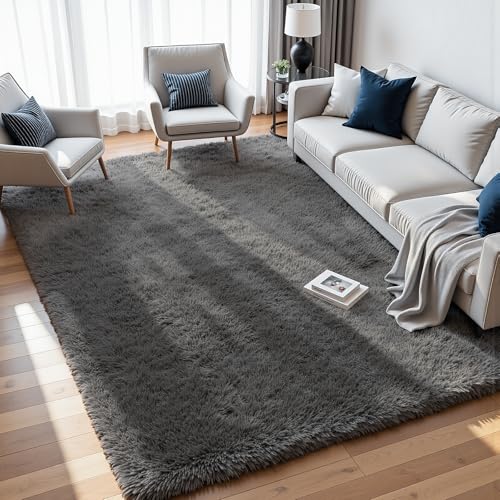
[Ultra Soft Fluffy Area Rugs for Living Room] 8×10 living room rug treat your feet to cloud-like comfort with our ultra-soft, high-density 1.7-inch plush microfiber pile—designed to stay fluffier longer without shedding. Whether walking, sitting, or lying down, each step feels luxuriously soft. Eco-friendly fibers resist matting, keeping the plush texture season after season. Ideal for bedroom, living room, or nursery.

Soft Comfort & Certified Materials — Made from soft 100% polyester carpet material certified to OEKO-TEX STANDARD 100, this washable rug offers a cozy, comfortable feel underfoot. Available in compact, runner, and room-size options, it adds warmth to entryways, hallways, bedrooms, home offices, living rooms, and dining areas. Inviting for barefoot use and active households, it brings together everyday comfort, versatile style, and trusted material standards.

Classic Vintage Style: PureCozy area rug features a faded retro look with a unique vintage floral pattern, adding warmth and character to your home. The distressed printed design blends easily with living rooms, bedrooms, dining rooms, entryways, kitchens, laundry rooms, kids rooms and home offices
2. Pick a Placement Style

Three practical styles handle most queen bed setups, and each changes how the room feels underfoot.
Full under-bed placement lays the rug beneath the entire frame, nightstands included. It reads as one connected layer and works best when the bedroom has floor space to spare, since a 9′ x 12′ rug or larger is usually the minimum that will swallow a queen whole without looking like a postage stamp.
The two-thirds placement tucks the rug under from the foot of the bed up to about a quarter of the way down from the headboard, leaving the top strip of floor and the nightstands on bare hardwood or carpet. This is the move for tighter rooms. You keep the soft landing where you actually step, you save the cost of a rug large enough to reach the wall, and the visual weight stays lower in the frame, which keeps the ceiling from feeling lower than it is.
Side runners, the third option, run narrow rugs along each side of the bed instead of anything underneath. They suit narrow rooms where even a 6′ x 9′ rug would crowd the walking lane, though the break between them under the bed can feel disjointed if the rest of the room is already busy.
For most bedrooms, the two-thirds layout hits the balance: comfort where you need it, open floor where you do not.
Recommended Products

This modern area rug is perfect for bedroom and those medium traffic areas in your home

DUAL SIDED GRIP FOR SECURE HOLD: rug gripper’s dual-sided material has powerful hold to floor and rug to help reduce sliding and bunching; rug pad helps keep rugs securely in place on hard floors; strong grip helps prevent curling of corners of rugs

Includes: 22" X 60" Bath Rug – Perfect for any bathroom
3. Choose the Right Rug Size

An 8-by-10-foot rug is the size that tends to work in most medium bedrooms with a queen bed, which measures 60 by 80 inches. It gives enough surface showing on all three exposed sides to look intentional rather than apologetic. In a smaller room, a 6-by-9-foot rug can do the job without swallowing floor space you need for circulation. A 9-by-12-foot rug only makes sense if the bedroom is large enough that the rug still shows margin around it; otherwise the proportions flip and the bed starts to look marooned.
A 4-by-6-foot rug is too small to read as an anchor under a queen bed at all. A 5-by-7-foot rug sits in the same awkward zone, though you can sometimes use it as a narrow accent at the foot if you are not trying to frame the whole bed. What actually makes a rug look scaled right is the 18 to 24 inches of visible rug extending past the sides and foot of the mattress. Less than that, and you get a strip that looks like a runner misplaced under furniture. More than about two feet on each side, and you are probably in 9-by-12 territory already.
Recommended Products

Ultra Soft Shag Rug: Experience cloud-like comfort with this fluffy 9×12 area rug. Its 1.4-inch high-density microfiber pile provides exceptional softness and soothing support for walking, sitting, or lying down. Made from resilient fibers, these rugs for bedroom resist matting and maintain its plush texture long-term, without shedding, fading, or retaining odors. Ideal for anchoring your living room or adding warmth to any space

Ultra Soft & Non-slip: Featuring a shaggy carpet surface, the Ophanie soft area rug is highly soft with a high-density sponge interlayer. This rug effectively reduces shedding, and the non-slip bottom with small, durable anti-slip dots enhances friction to prevent sliding.

Classic Vintage Area Rug: The vintage medallion design of the living room rug adds a timeless appeal that complements various decor styles. Whether your home leans towards a modern aesthetic or a cozy, rustic vibe, this carpet seamlessly integrates into your existing decor while providing a touch of retro flair. The beige rug provides a neutral backdrop, allowing it to enhance the beauty of your space without overwhelming it.
4. Position the Rug and Nightstands

A 9-foot-wide rug is the point where both bed legs and nightstand legs can sit on the same surface, and that width is what turns two separate pieces into one grounded zone. Anything between 5 and 8 feet wide ends in front of the nightstands instead, which is not a failure, just a different read: the rug frames the bed alone and the nightstands float on the floor as their own islands.
I have used both setups. The all-on look reads calmer to my eye, but it demands real estate. A 5 by 8 in a tighter room still works symmetrically when centered to the bed and stopped short of the side tables.
Before you commit, swing the bedroom door. A rug that catches the bottom edge turns every morning entrance into a shove-and-scrape. Leave enough clearance for the door to pass cleanly over the pile, or you will curse it daily. The gap between rug edge and wall matters too: 6 to 12 inches of bare floor around the perimeter keeps the room from feeling stuffed into a box.
Recommended Products

Soft material: The grey plush rug runner made of soft high fluff which give you a soft and comfortable touch, Without smells and shedding, you can have a rest even sleep on it, Also the soft fluffy material is friendly for your kids or little pets

Key Attributes: Size: 2×6 feet | Thickness: 1.7 inches. | Colour: Beige. Please note that due to vacuum packing, rugs may contain temporary creases on arrival, allow 3-5 days for shag runner rug to fluff up.

[Supreme Comfort and Softness] Treat yourself to the luxurious comfort of the OLANLY Machine Washable Area Rug. Its plush, high-density pile provides an incredibly soft, plush feel underfoot. Enjoy the warmth and coziness, all while the rug remains fiber-shed-free, making it ideal for your bedroom, living room, or nursery.
5. Finalize Material and Style

Material and pile height are where a rug either works with your routine or fights it. Flatweave rugs stay low and light, which makes them easy to shift when you’re adjusting placement under a queen bed, and they slide neatly under nightstand legs without bunching. Plush rugs add softness underfoot, but that extra pile can trap more dust and make vacuuming under the bed frame harder. Wool rugs carry the most natural warmth and hold up longest, though they also carry the highest price tag and the least forgiveness for spills.
For households with pets, kids, or anyone who drinks coffee in bed, a washable rug saves the placement you’ve just measured out. You can lift it, run it through a cycle, and set it back down without recentering the whole room. The tradeoff is usually a thinner feel and a narrower range of textures, but in a bedroom where the rug spends most of its life under furniture, that matters less than you’d think. Jute and sisal look grounded and organic, yet they scratch against bare skin and shed fiber for months. I skip them for sleep spaces unless the bed sits on a platform that hides most of the weave.
Recommended Products

ifrmmy non-adhesive anti slip pad is the perfect solution to stop mattresses from sliding, use the high quality pvc foam materials, extra strength gripper pad keeping mattress tightly in place, you can get a restful sleep.

NON SLIP DUAL SIDED GRIP: The 5×6.5 Ft non slip rug pads take unique double sided powerful grip design. Keep your area rug in place firmly. Our non slip mat is the perfect solution to prevent your mattress topper sliding. Improve the comfort of the home
ifrmmy non-adhesive anti slip pad is the perfect solution to stop mattresses from sliding, use the high quality pvc foam materials, extra strength gripper pad keeping mattress tightly in place, you can get a restful sleep.
What Size Means for Your Room

A rug that barely peeks out from under the bed is the design equivalent of wearing shoes two sizes too small: awkward, uncomfortable, and it throws the whole room off. The right size does two jobs at once. It gives you a soft landing when you swing your legs out in the morning, and it visually anchors the bed so the space feels grounded rather than floating.
For a queen bed measuring 60 by 80 inches, the rug should extend at least 18 to 24 inches beyond the bed on all visible sides. That minimum is what separates a rug that frames the room from one that looks like an afterthought. A 6-by-9-foot rug works as a starting point, giving you a modest landing strip around three sides. An 8-by-10-foot rug is the size most people end up preferring, with enough real estate to step onto on both sides and at the foot of the bed without hunting for the edge with your toes. When the choice is close, sizing up wins. The extra floor coverage costs more upfront, but the comfort difference every morning pays it back.
Recommended Products

[Ultimate Cloud-Like Comfort & Anti-Static Fibers] Treat your feet to unparalleled softness with our premium 8×10 Black fluffy area rug. Designed to be the ultimate bedroom rug, it features a luxurious 1.7-inch thick shag surface crafted with upgraded anti-static fibers to prevent annoying static shocks and repel lint. Whether stepping out of bed or enjoying tummy time, this soft plush rug offers a velvety embrace that instantly relieves foot fatigue and warms up any cold floor.

CLASSIC VINTAGE AESTHETIC BEIGE RUG: The area rug 8×10 features a harmonious blend of beige tones that evoke a timeless vintage charm, making it an ideal addition for any room in your home—from retro bohemian and rustic farmhouse to modern minimalism. Perfect rugs for living room, bedrooms, dining room rugs for under table, entryways, playrooms, or home offices, this 8×10 rug serves as the finishing touch to your interior flooring decor

PET FRIENDLY & NON-SLIP BACKING: 8×10 area rugs featuring simple of colors while promising a luxurious feel underfoot. The blend of a hexagon pattern and a stylish design. Non-slip backing makes the covering for bringing your space together. Make the most of your time at home with our pet-friendly and easy-to-clean area rugs. Elevate the floors of your home with this show-stopping and detailed rug
Common Placement Mistakes

A rug that stops too close to the mattress is the mistake you notice first thing in the morning. The 4′ x 6′ size gets swallowed entirely; the 5′ x 7′ barely peeks out as a foot accent. Neither gives you enough visible surface on the sides or at the foot to step onto something soft, so the bed looks like it is floating on hard flooring rather than anchored in place.
Leave enough rug exposed beyond the bed frame that the piece reads as intentional, not accidental. I see this most often when a rug is pushed tight against a wall to "fit" the room. The result is a cramped border that makes the whole bedroom feel smaller, because the eye reads the wall as the stopping point rather than the rug as the defined zone.
Round rugs under a queen bed fall into the same trap. They work as decorative accents off to the side, but centered beneath the frame they fight the bed’s own geometry. The proportions read off, and the functional goal, softening the area where you actually stand, gets lost entirely.
Recommended Products

Versatile Design: This modern abstract area rug features a unique neutral design that complements any decor, enhancing the overall home aesthetic in dining room, living room, bedroom, and more

Ultra Soft & Non-slip: Featuring a shaggy carpet surface, the Ophanie soft area rug is highly soft with a high-density sponge interlayer. This rug effectively reduces shedding, and the non-slip bottom with small, durable anti-slip dots enhances friction to prevent sliding.
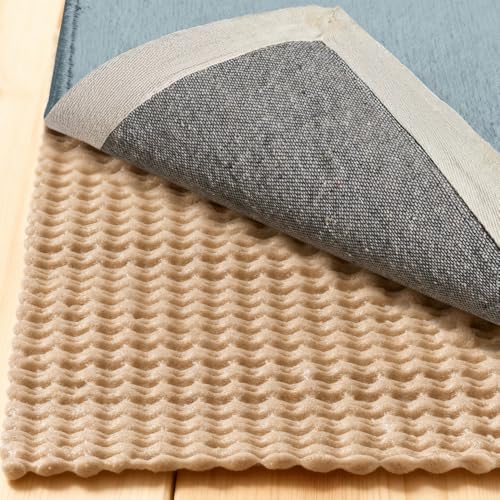
DUAL SIDED GRIP FOR SECURE HOLD: rug gripper’s dual-sided material has powerful hold to floor and rug to help reduce sliding and bunching; rug pad helps keep rugs securely in place on hard floors; strong grip helps prevent curling of corners of rugs
Nightstand On or Off the Rug

Nightstands sitting entirely on the rug need an 8′ x 10′ minimum in most bedrooms, and that only works if the room itself stretches to about 12′ by 14′. The payoff is a single anchored zone that reads intentional, almost built-in. In a 10′ by 12′ room, a 6′ x 9′ rug stops short of the nightstands by design, running under just the bottom two-thirds of the bed. This keeps the rug proportional to the floor visible around it and avoids the wall-to-wall carpet effect that can make a modest bedroom feel crowded.
I used to default to the larger rug until I tried the partial placement in a guest room with barely ten feet of wall width. The nightstands sat on the bare floor, the rug framed the bed from about the shins down, and the room actually felt larger because the eye traveled to the perimeter instead of stopping at one textile rectangle. The nightstand decision is really a room-size decision: if pulling the rug wide enough for both tables leaves less than eighteen inches of exposed floor on any side, the smaller rug wins. Budget follows the same split, since the jump from 6′ x 9′ to 8′ x 10′ is usually the price of a second accent piece elsewhere in the room.
Recommended Products

【Machine Washable & Time-Saving Care】Revolutionary cleaning made easy! Toss this rug in your washing machine (cold water, gentle cycle) – its 100% polyester pile bounces back flawlessly without shedding or fading. Air dry flat to restore the plush 350gsm texture. Perfect for muddy paws, spilled coffee, or post-party cleanup. Save hours vs hand-scrubbing rugs

MACHINE WASHABLE AREA RUG, EASY CLEANING: Low pile helps keep crumbs and dust on the surface for quick pickup. Machine wash cold on gentle, then air dry. For 6 x 13 ft and larger sizes, use a commercial washer for best results
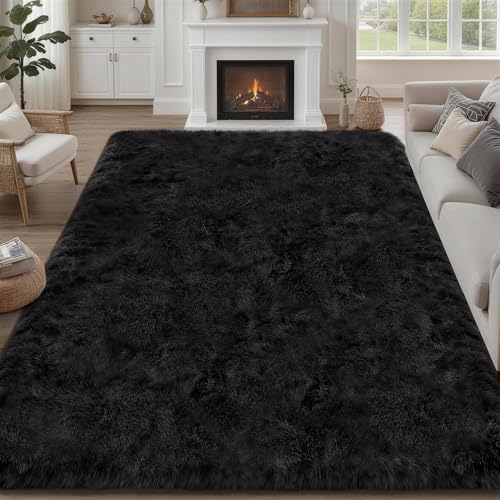
Ultra Soft Shag Rug: Experience cloud-like comfort with this fluffy 9×12 area rug. Its 1.4-inch high-density microfiber pile provides exceptional softness and soothing support for walking, sitting, or lying down. Made from resilient fibers, these rugs for bedroom resist matting and maintain its plush texture long-term, without shedding, fading, or retaining odors. Ideal for anchoring your living room or adding warmth to any space
Alternative Layouts to Consider

Not every bedroom fits the standard centered rug, and forcing one can swallow the floor space you need. These four alternatives keep the room workable.
- Side runners line each long edge of the bed instead of running underneath. They give you softness right where your feet land in the morning, leave most of the floor exposed for easier cleaning, and suit narrow rooms or apartments where a full area rug would crowd the walkways. Use one or two depending on whether you need coverage on both sides.
- Two 4×6 rugs placed side by side can cover more total floor area than a single 9×12 rug. The pair works when you want the layered look or need to fill an unusually wide space between the bed and opposite wall.
- A round rug centers under the bed and extends several feet past the footboard. Keep it only slightly wider than the bed itself; anything much larger looks off in a narrow room where the curve fights the straight walls.
- An accent rug at the foot of the bed covers just the lower third. It anchors the bed visually without committing the full floor, a practical limit for compact guest rooms or layouts where you want the space to stay open and easy to move through.
Recommended Products

Non Slip Boho Rugs Runner: The boho runner uses premium TPR and cotton non skid backing, which is more slip-resistance than other cotton backings, PVC backings, TPR backings and polyester backings. The long kitchen runner rug is also suitable for pets, which is more durable than other similar runner rugs. And the farmhouse runner rug adopts trendy and cute patterns, which will help you add chic and comfort to your home

Modern Aesthetic: This black runner rug with neutral color can easily match with your colorful home decorations, suitable for bedrooms, hallway, kitchen, nurseries, dorm or any other rooms

Minimalist Style Design:The modern runner rug adopt dark blue and white color design makes the carpet look more textured, which is very suitable for matching with home decor and as a room decoration
Frequently Asked Questions
Recommended Products

KEEP COUCH CUSHIONS FROM SLIDING: ECOHomes non slip grippers for couches and sofas puts a halt to your couch or sofa cushions from sliding all over the place. Keep your couch cushions in place now with these stopper pads!
ifrmmy non-adhesive anti slip pad is the perfect solution to stop mattresses from sliding, use the high quality pvc foam materials, extra strength gripper pad keeping mattress tightly in place, you can get a restful sleep.
ifrmmy non-adhesive anti slip pad is the perfect solution to stop mattresses from sliding, use the high quality pvc foam materials, extra strength gripper pad keeping mattress tightly in place, you can get a restful sleep.
What size rug works best for a queen bed?
An 8-by-10-foot rug is the size most people end up preferring for a queen bed, with enough real estate to step onto on both sides and at the foot without hunting for the edge. A 6-by-9-foot rug works as a starting point in smaller rooms, while a 9-by-12-foot rug only makes sense in large bedrooms where the rug still shows margin around it. When the choice is close, sizing up wins for the comfort difference every morning.
How much rug should show around the bed?
Keep about 18 to 24 inches of visible rug extending past the sides and foot of the mattress. Less than that and you get a strip that looks like a runner misplaced under furniture. This minimum is what separates a rug that frames the room from one that looks like an afterthought.
Should nightstands sit on the rug?
Nightstands can sit on the rug if the room is large enough, usually with an 8-by-10-foot rug minimum in bedrooms around 12 by 14 feet. In tighter rooms, a 6-by-9-foot rug stops short of the nightstands by design, which can actually make the space feel larger because the eye travels to the perimeter. The nightstand decision is really a room-size decision: if pulling the rug wide enough for both tables leaves less than eighteen inches of exposed floor on any side, the smaller rug wins.
Can a 5×8 rug go under a queen bed?
A 5-by-8-foot rug can work in a partial layout centered to the bed and stopped short of the side tables, but it sits in an awkward zone for full coverage. It does not give enough visible surface on the sides or at the foot to look intentional rather than apologetic. For most setups, you would need to step up to at least a 6-by-9-foot rug to get the 18 to 24 inches of exposed rug that reads as properly scaled.
Leave a Reply