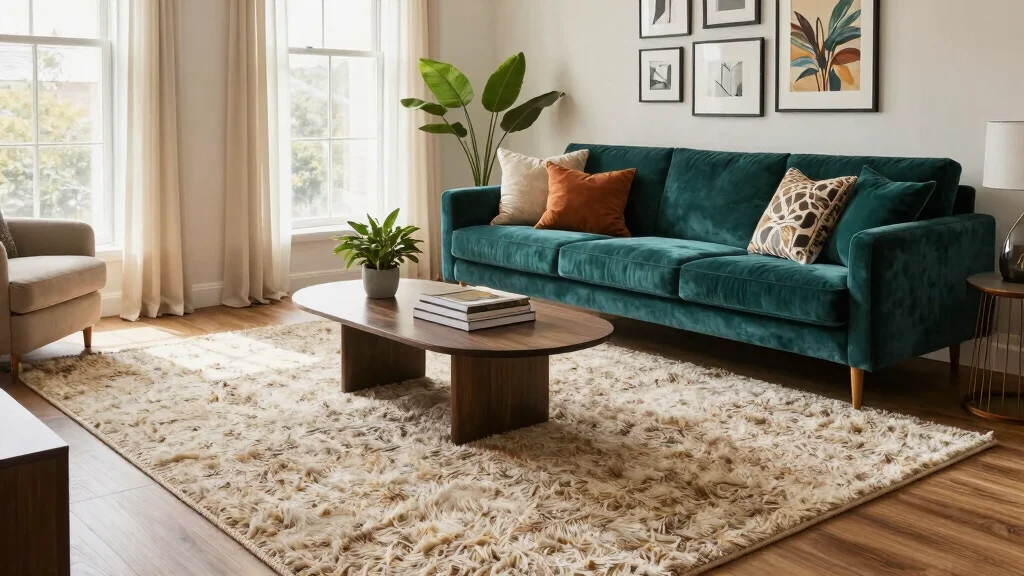
Layering an area rug over carpet can transform a room from ordinary to extraordinary. The challenge often lies in finding the right balance between stylishness and intent. I created this post because I know that many of you are looking to add depth and texture to your home decor without making it feel cluttered or chaotic. Layering rugs can seem daunting, but I promise it’s easier than it looks!
If you love home styling and want your space to ooze personality, this guide is for you. Whether you’re decorating a cozy apartment or a spacious living room, you’ll find plenty of fresh ideas here. I pulled together ten creative area rug on carpet ideas that are not only stylish but also intentional. Get ready to discover techniques that will make your home feel warm, inviting, and uniquely yours.
From bold prints to soft neutrals, there’s something for everyone. You’ll learn how to define spaces, play with scale, and even switch up your decor with the seasons. With these tips, you’ll have everything you need to create a layered look that feels complete and thoughtfully designed. Let’s dive in!
Key Takeaways
– Layering an area rug on carpet adds depth and texture, making your space feel more inviting without overwhelming it.
– Bold prints can serve as statement pieces, drawing attention and adding personality to your room.
– Soft neutral colors can create an elegant touch, allowing other decor elements to shine.
– Mixing different textures brings visual interest and can help define different areas within a room.
– Seasonal rug changes can refresh your decor and keep your space feeling new and exciting.
Recommended Products

[Supreme Comfort and Softness] Treat yourself to the luxurious comfort of the OLANLY Machine Washable Area Rug. Its plush, high-density pile provides an incredibly soft, plush feel underfoot. Enjoy the warmth and coziness, all while the rug remains fiber-shed-free, making it ideal for your bedroom, living room, or nursery.

Ultra Soft & Non-slip: Featuring a shaggy carpet surface, the Ophanie soft area rug is highly soft with a high-density sponge interlayer. This rug effectively reduces shedding, and the non-slip bottom with small, durable anti-slip dots enhances friction to prevent sliding.

Persian-Inspired Vintage Boho Design: A distressed medallion, floral details and ornamental border create a layered, timeworn look; harmonious colors suit bohemian, farmhouse, vintage and modern spaces in living rooms, bedrooms, nurseries and offices
1. Bold Prints for a Statement Look
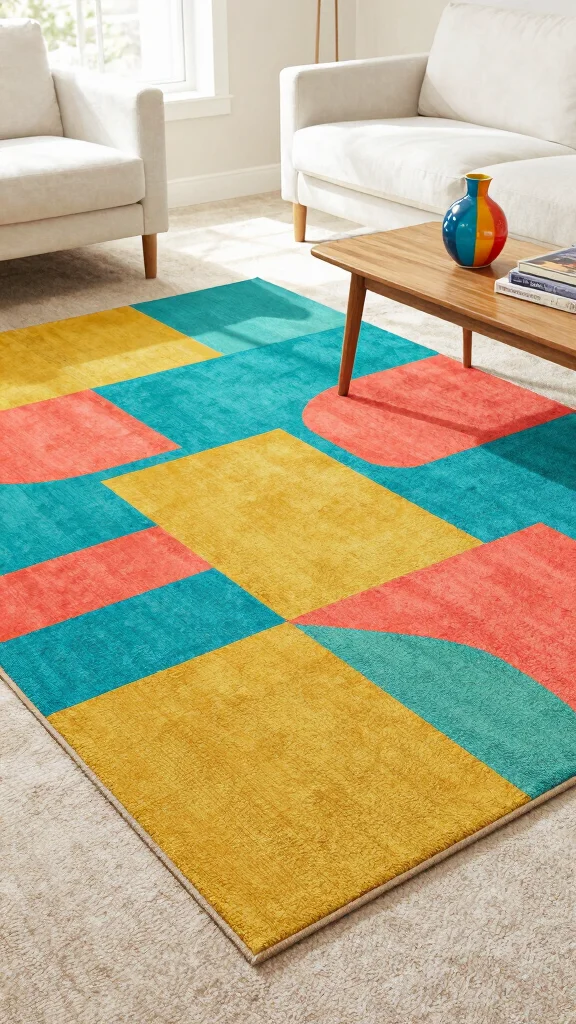
Bold prints can transform a neutral carpeted room into an eye-catching showcase. This vibrant approach creates a stunning focal point that adds energy and personality to your space without overwhelming it. For instance, a large geometric pattern in bright colors can make a spacious living room feel inviting and cozy, while intricate floral designs can add charm to smaller nooks.
To make the most of this striking style, consider these tips:
– Pair a bold rug with simple furniture for a balanced look.
– Ensure the rug’s colors harmonize with your existing decor.
– Layer a smaller, solid rug on top of a patterned one for added depth.
By incorporating exciting colors and patterns, you can achieve a lively yet intentional atmosphere. This layering technique not only adds flair but also sparks conversation.
Recommended Products

Modern Geometric Area Rug: The living room rug features a colorful geometric pattern, creating a novel, unique, and highly fashionable look. These area rugs 8×10 perfectly complement modern interior design styles and help visually expand the space, making the room appear more open and bright

MACHINE WASHABLE Our printed rugs are washable making care convenient; Keeps rug looking good as new; Simply toss in the machine for a quick wash, then dry using air only setting without heat

Embrace Effortless Style and Easy Living: Discover the perfect balance of fashion and function with our rug. Its modern tribal design enhances your space with sophisticated style, while the stain-resistant feature ensures hassle-free maintenance. Ideal for lively homes, this rug lets you express your unique taste without worrying about the little messes of daily life.
Bold Prints for a Statement Look
Editor’s Choice

Unique Loom Estrella Collection Geometric, Triangles, Bright Colors, Abs…


Unique Loom Estrella Collection Colorful, Geometric, Squares Modern, Abs…

Unique Loom Barista Collection Modern, Abstract, Vintage, Distressed, Ur…

Large Machine Washable 6×9 Area Rug, Soft Modern Geometric Abstract Oran…

Colorful Abstract 5×7 Area Rug Ultra Thin Flatweave Funky Aesthetic Colo…
🍽️ Effortless Dinner Solutions Await!
Transform your weeknight meals with delicious, hassle-free slow cooker recipes that save time and delight your family.
2. Soft Neutrals for an Elegant Touch
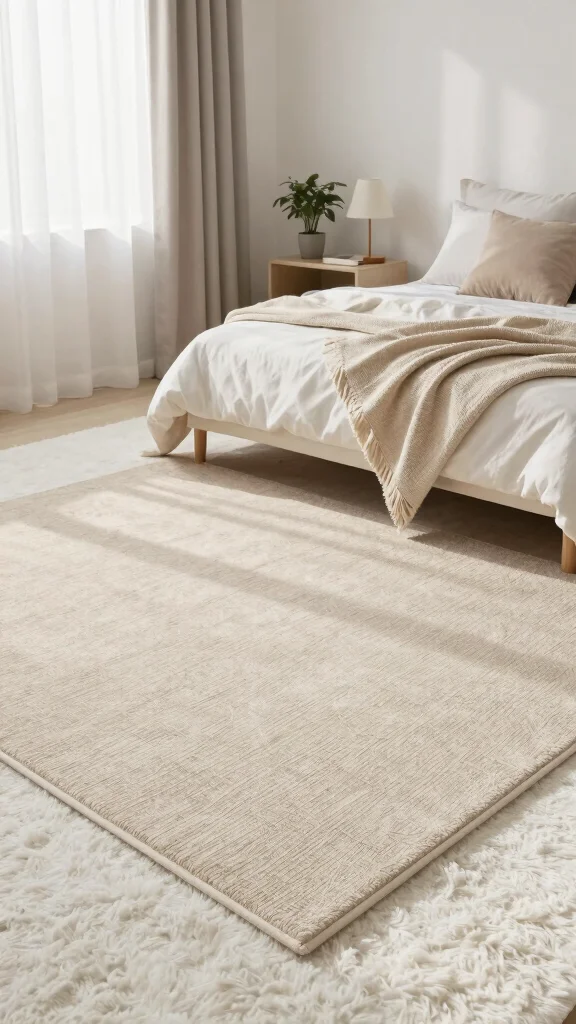
If you’re seeking an elegant and calming atmosphere, soft neutral rugs are perfect for your space. They create a gentle backdrop that beautifully complements plush carpets, inviting relaxation and serenity. A light beige rug layered over a textured carpet can evoke a tranquil oasis, perfect for unwinding after a long day.
To achieve this refined look, keep these tips in mind:
– Opt for rugs in shades like ivory or soft gray that blend well with your carpet.
– Experiment with textures, such as layering a wool rug over a shag carpet for added interest.
– Introduce subtle patterns to maintain sophistication without being overwhelming.
This approach is especially effective in bedrooms and living rooms, where peace and elegance are desired. The combination of soft hues and varied textures greatly enhances the beauty of your space.
Recommended Products

Machine Washable & Easy to Clean: The surface features water-repellent performance for simple cleanup when drinks spill accidentally, reducing the chance of liquid soaking deep into fibers. You can wipe spills quickly with a towel, remove local stains via spot cleaning with a damp cloth, or regularly vacuum for daily upkeep. The whole rug supports machine washing for deeper cleaning

WASHABLE RUG: This is a fully machine washable area rug for extra convenience. machine wash this living room rug in cold water alone for a deeper clean. regular vacuuming and spot cleaning will keep the rug looking fresh while the colors stay vibrant and won't fade, perfect for busy households with kids and pets

Material: microfiber, TPE| Pile: about 0.25 inches | Sizes: 5x7ft, 6x9ft, 8x10ft, 9x12ft. Area rug may contain creases upon arrival. Please allow time for creases to flatten and settle | Color: Multi
Soft Neutrals for an Elegant Touch
Editor’s Choice

Well Woven Harlow Collection Cloud Medallion Ivory – Modern Tribal Minim…

SAFAVIEH Area Rug 5×8 – Natura Collection – Beige & Ivory, Handmade Wool…

SAFAVIEH Area Rug 6×9 – Metro Collection – Natural & Ivory, Handmade Woo…

SAFAVIEH Natura Collection Area Rug – 5′ x 8′, Ivory, Handmade Wool, Ide…

3. Textured Layers for Added Interest
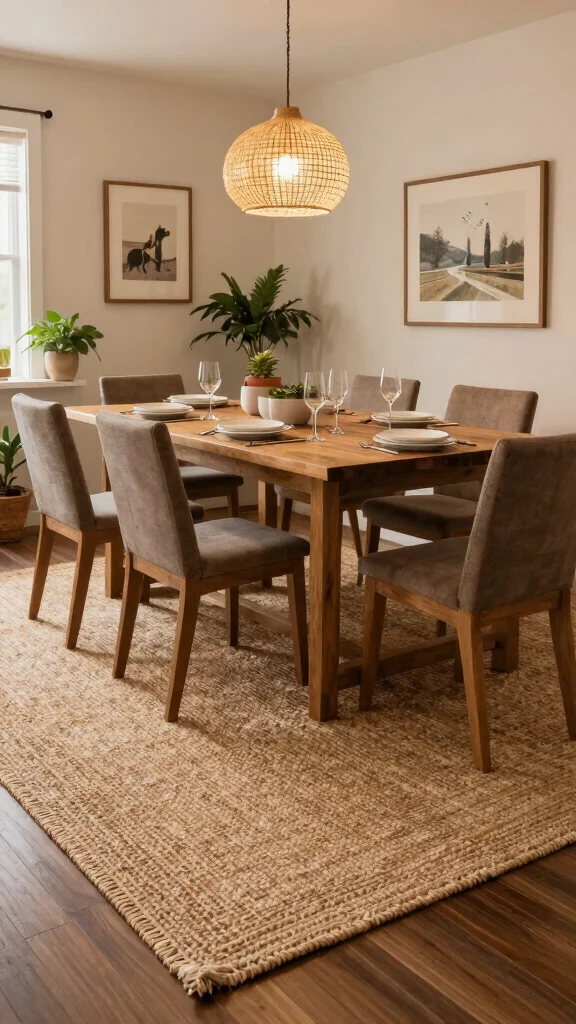
Texture plays a key role in creating inviting and visually engaging spaces. Layering different materials, like a flat weave rug on plush carpet, can dramatically enhance the overall aesthetic. The mix of textures invites touch and adds warmth to any room, making it feel more welcoming.
To layer textures effectively, consider these ideas:
– Combine materials like wool, jute, and cotton for tactile appeal.
– Use a round rug over a square carpet for a fun contrast.
– Don’t shy away from mixing patterns; just stick to a cohesive color palette.
This technique is particularly suited for dining rooms or cozy living spaces, where the interplay of textures enhances comfort while elevating style.
Recommended Products
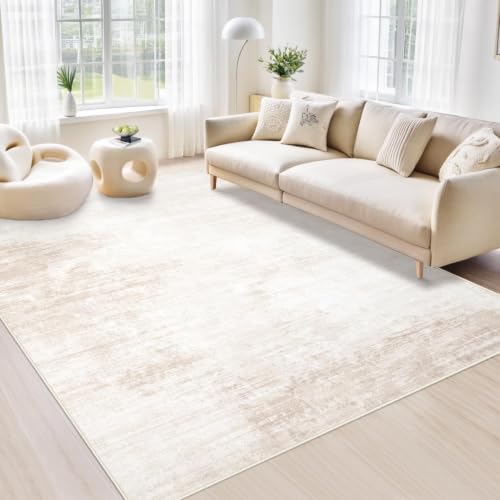
Modern Abstract Rug: Simple color with soft stripe design, our living room rug has a modern look with a distressed feel; And 5×7 rug perfect for living room, bedroom, dining room, kitchen, children's room, office, laundry room, dorm.

Size: 3'x5' (36"×60"), this door rug is good for double-door entries, porches, or wide side entrances. Don't forget to measure your space first or use Amazon app's 3D preview feature to visualize how the rug will fit in your area

[COLOR & DESIGN]: SAFAVIEH's Natura rug pebbles beige through undyed wool; its 1/2" pile is dense and textural in a living room; color and pattern contrast may look different in person, and shade can vary depending on lighting and screen settings.
4. Monochromatic Magic
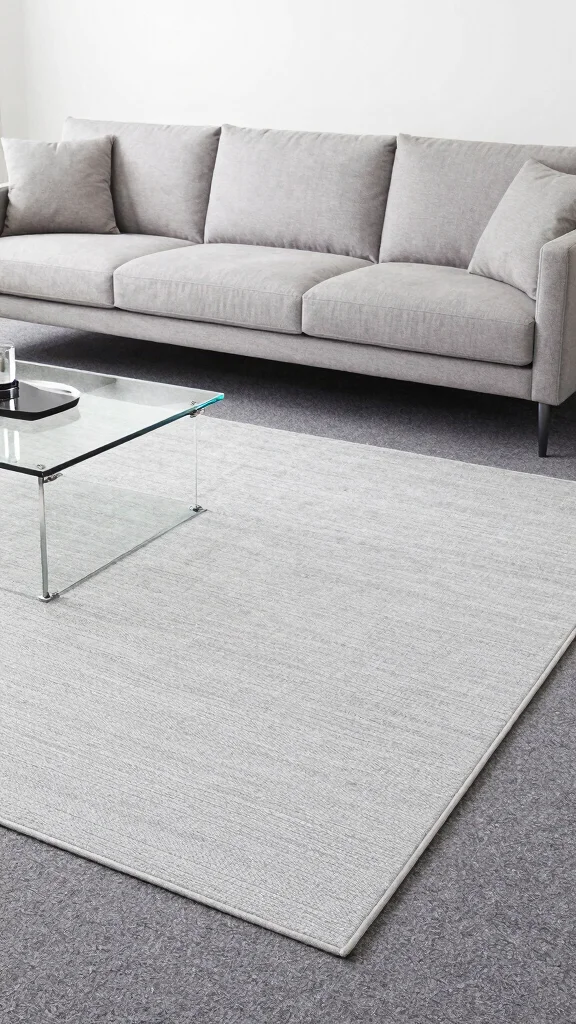
Monochromatic designs offer a chic and sophisticated take on home decor. By selecting an area rug in a different shade of your carpet, you can achieve a harmonious look without appearing too uniform. This technique plays with tones and depths, creating a visually cohesive environment that feels curated.
To master this technique, keep these tips in mind:
– Choose a single color family while varying shades from light to dark.
– Limit patterns to maintain a unified appearance.
– Mix materials for a dynamic feel, such as layering a linen rug on a plush carpet.
This approach beautifully enhances modern, minimalist designs while ensuring your space feels intentional and thoughtfully designed.
Fun fact: Monochromatic pairings rely on 3 key shades—light, mid, and dark. By layering these tones on area rug on carpet, you create depth without busyness, making the room feel bigger and more intentional.
Recommended Products
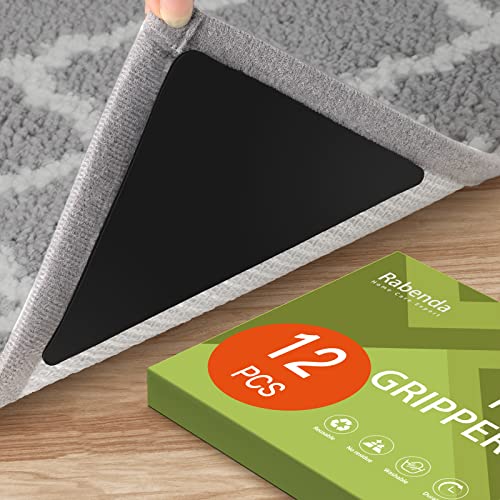
Advantaged Triangle Design: The Triangle Design grippers for area rugs and hardwood floors will maximum increase the contact surface. The strong adhesion will help stick firmly and keep your area rugs in place. Moreover, the rug stickers for wood floors will prevent the rug corners and edges curling and always keep your rugs steady and safe

Non-slip Protection: Our pad's signature grip keeps rugs securely in place, preventing bunching and sliding during daily use. It also protects your floors from wear and tear, including damage from high heels, children at play, and more.

Grip Design: the original Gorilla Grip grippers for hard floors help to keep your rugs in place and prevent corner and side curling; easy to apply to the underside of carpet corners and floors to help rugs stay in place and flat against the floor
5. Vintage Charm with Antique Rugs
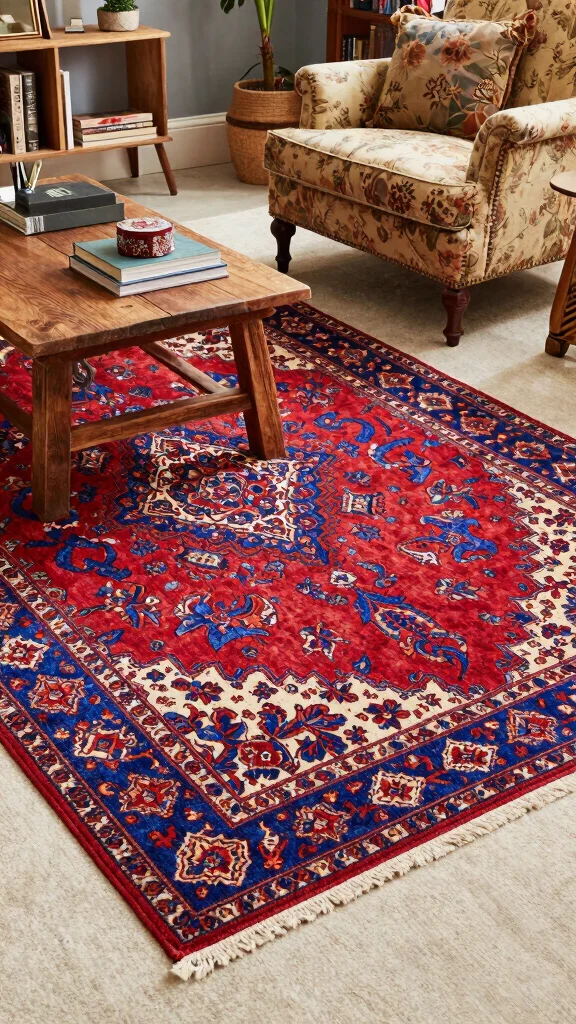
Incorporating vintage rugs into your decor brings character and a sense of history to your home. These unique pieces can act as art, adding warmth and nostalgia that stand out against contemporary carpets. Their intricate designs and rich colors breathe life into any room, making it feel both welcoming and personal.
When styling with vintage rugs, consider these suggestions:
– Layer a smaller antique rug on a larger plain carpet for a striking contrast.
– Choose rugs that echo colors found in other decor elements.
– Introduce vintage furniture pieces to enhance the cohesive theme.
This trend adds a personal touch, making your space feel curated and rich in storytelling, creating an inviting atmosphere.
Fun fact: layering an area rug on carpet adds texture and warmth with just two pieces. Place a smaller antique rug over a larger plain carpet to create contrast, then pull colors from the rug into cushions for a cohesive, personal space.
Recommended Products

Ultra Soft & Non-slip: Featuring a shaggy carpet surface, the Ophanie soft area rug is highly soft with a high-density sponge interlayer. This rug effectively reduces shedding, and the non-slip bottom with small, durable anti-slip dots enhances friction to prevent sliding.

Ultra Soft & Non-slip: Featuring a shaggy carpet surface, the Ophanie soft area rug is highly soft with a high-density sponge interlayer. This rug effectively reduces shedding, and the non-slip bottom with small, durable anti-slip dots enhances friction to prevent sliding.

【 Waterproof Rug Pad】–Felt + Waterproof TPR carpet pad for all types of carpeting. The rough fabric of the felt top layer grips the carpet tightly to prevent it from curling and crawling, while the non-slip backing prevents the carpet from slipping in any direction.
You might also like
6. Define Spaces with Layered Rugs
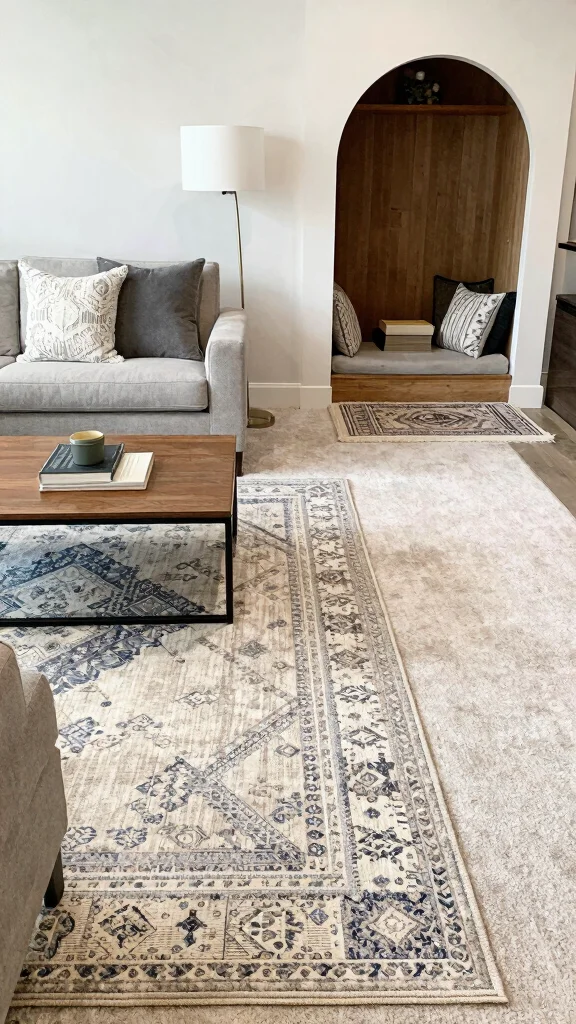
Layering rugs is an effective way to delineate different areas within an open floor plan. This approach not only adds visual interest but also gives each space a distinct purpose, making your home feel more organized and intentional. For example, a soft area rug can create a cozy reading nook in your living room.
To define spaces effectively, try these tips:
– Use larger rugs to outline designated areas, then layer smaller ones for comfort.
– Vary colors or textures between sections to clearly distinguish each space.
– Arrange furniture to complement your rug layout for a natural flow.
This method is ideal for smaller homes or apartments, allowing each area to showcase its unique character while contributing to the overall design.
Recommended Products
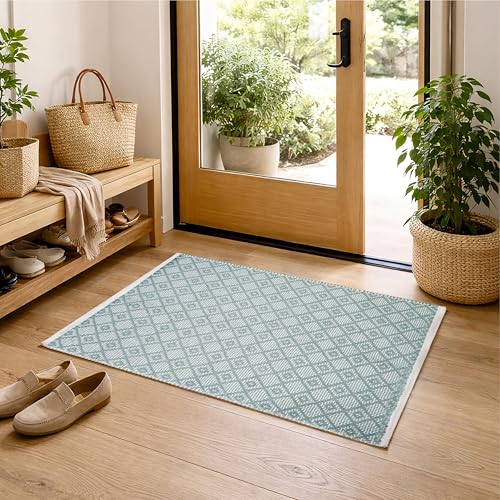
PREMIUM COTTON DIAMOND WEAVE: Crafted from high-quality cotton yarn, this diamond woven area rug offers a soft yet durable texture designed for everyday living. The tightly woven structure provides long-lasting strength while delivering a comfortable surface that feels gentle underfoot in busy home spaces.
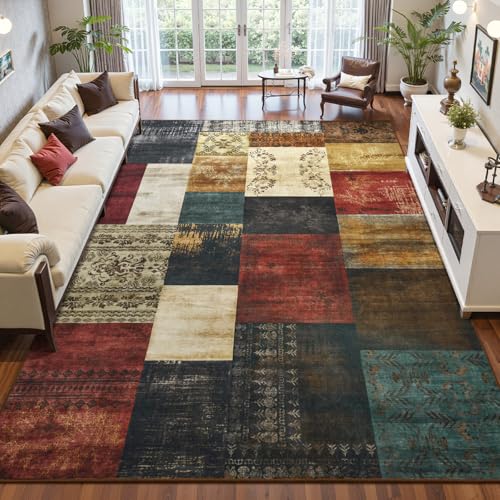
【Living Room Patchwork Rug】The DweIke area rug features a unique geometric pattern with color-blocking elements, complementing bedrooms, offices, dining rooms, kitchens, and home decor

Supremely Soft & Comfy: The vibrant floral design adds a touch of warmth and relaxation to your home,Sink your feet into plush, gentle texture that delivers exceptional comfort for bedrooms, living rooms, or nurseries, enhancing relaxation in any space
Define Spaces with Layered Rugs
Editor’s Choice

Living Room Area Rugs 9×12: Abstract Washable Rug for Dining Room Non-Sl…

Large Rugs for Living Room, 8×10 Black Fluffy Bedroom Area Rug, Shag Geo…

Large Shag Area Rugs 6 x 9, Tie-Dyed Plush Fuzzy Rug for Living Room, Ul…
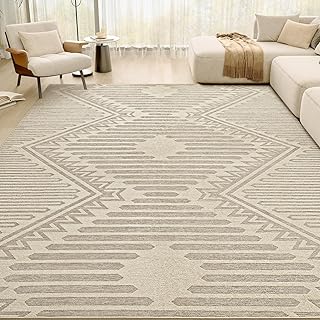
Boho Beige 5×7 Area Rugs Textured Tufted Rugs for Living Room Bedroom Nu…

5×7 Pink Floral Rug for Living Room, Machine Washable Area Rugs with Non…
7. Outdoor-Inspired Layering
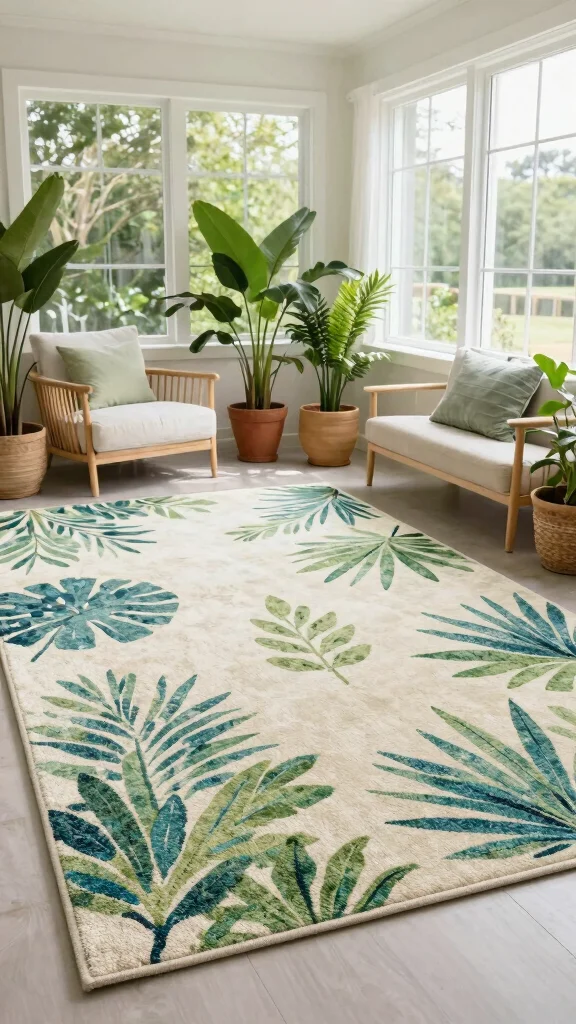
Transforming your space with outdoor-inspired layering can create a refreshing retreat at home. Layering outdoor rugs over indoor carpets brings a relaxed and breezy vibe, perfect for homes that embrace natural light and earthy elements. This trend invites the beauty of nature indoors, enhancing your living experience.
To achieve this look, consider these tips:
– Select rugs made from durable natural fibers.
– Choose colors and designs inspired by nature, like greens and floral motifs.
– Pair with indoor plants for a cohesive outdoor-inspired atmosphere.
This layering technique works wonderfully in sunrooms or casual living areas, creating a comfortable yet stylish environment that feels connected to the outside world.
Recommended Products
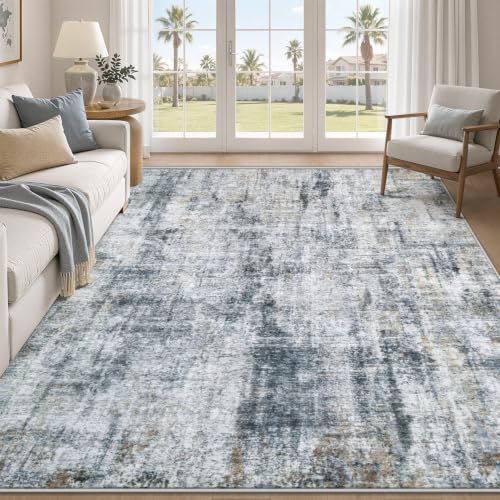
Machine Washable & Stain Resistant: Featuring a premium stain-resistant top surface, these 6×9 area rugs efficiently repel daily liquid spills and accidental stains. Messes can be wiped off in seconds without leaving stubborn marks. Made with premium color-locking fabric, the washable rugs 6×9 maintain vibrant, true-to-original hues even after multiple washes. Simply machine wash with cold water for a quick refresh, keeping the rug bright and flawless for long-term use.

Classic Vintage Rug: This rugs for living room blends vintage patterns with trendy faded styles, boho rug perfectly for any style, 6×9 rug is suitable for living room, bedroom, dining room, kitchen, den, children's room, office, laundry room.

Machine Washable & Stain-Resistant: Effortlessly clean this rug in your washing machine on a gentle cycle; made from high-quality faux wool fibers that resist stains, spills, and shedding, making it ideal for busy households with kids and pets.
8. Play with Scale and Shapes
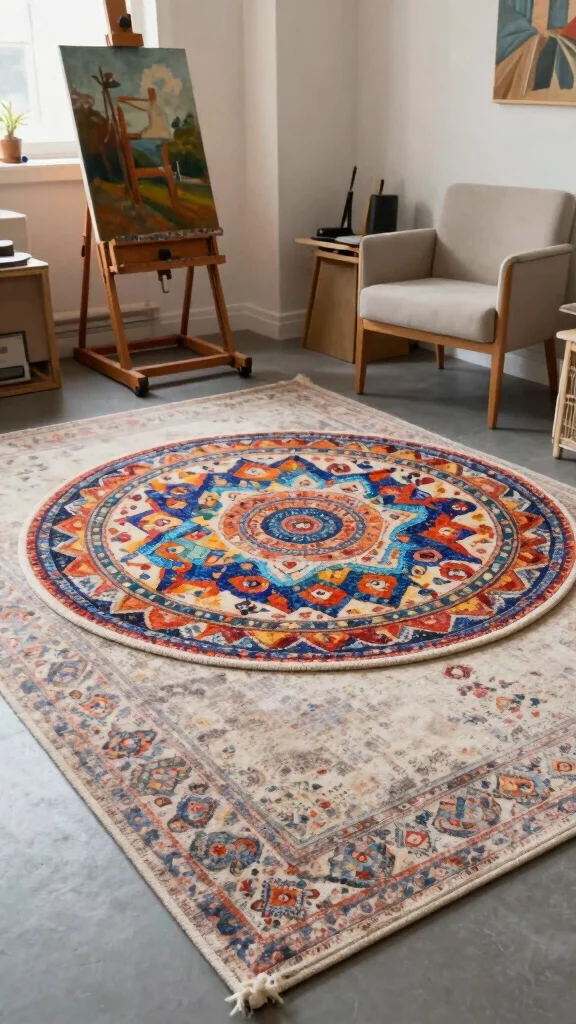
Mixing various shapes and sizes in your rug layering can add an artistic touch to your decor. Combining round rugs with rectangular carpets creates visual intrigue and softens hard lines, making your room feel curated and unique. This playful approach showcases your personality while keeping the design stylish.
Here are some tips to consider:
– Use a large rectangular carpet as a base and layer a round rug on top for contrast.
– Incorporate rugs of different sizes to create movement and flow.
– Ensure colors and textures complement each other for a cohesive look.
This technique is particularly suited for creative spaces like studios, allowing you to express individuality while maintaining a polished aesthetic.
Recommended Products

Scandinavian Minimalist Floral Area Rug for Living Room: U'Artlines 6x9ft Area rug features sleek and simple floral patterns that exude a modern and refined vibe, paired with…
Play with Scale and Shapes
Editor’s Choice
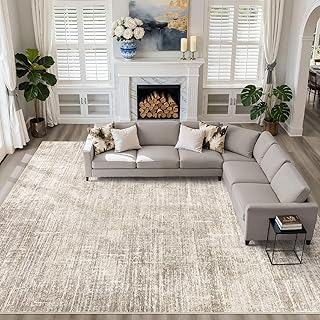
10×14 Area Rugs Living Room: Washable Large Neutral Brown Rug Abstract S…
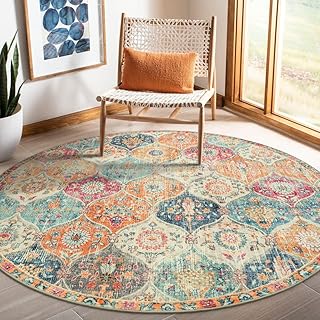
Lahome Moroccan Trellis Washable Round Area Rug, Soft Round Rugs 6ft Ult…
Lahome Moroccan Trellis Washable Round Area Rug, Round Rug 5ft Soft Non-…

Rugshop Modern Wavy Circles Design Round Rug, Carpet with Jute Backing f…
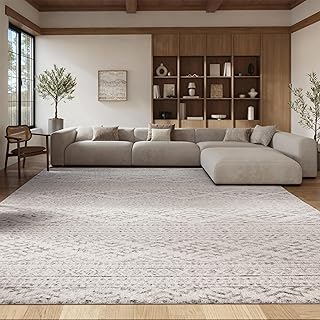
SAFAVIEH Area Rug 8×10 – Tulum Collection – Large – Ivory & Grey, Morocc…
You Might Also Like
9. Seasonal Switch-Ups
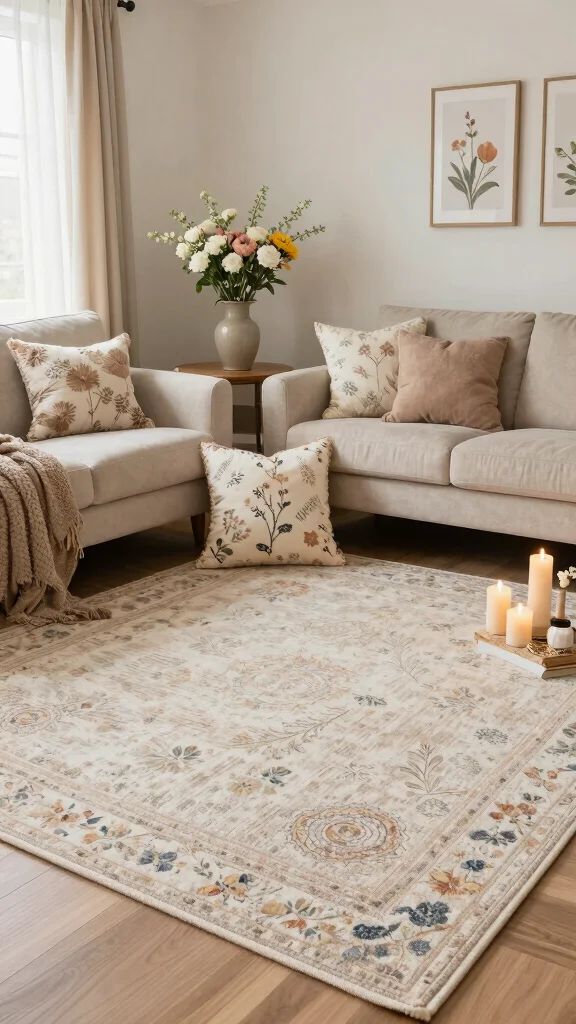
Layering rugs offers an exciting opportunity to refresh your space with the changing seasons. You can easily swap out area rugs to reflect seasonal colors and themes, keeping your home dynamic and inviting throughout the year. This not only enhances your decor but also allows for a creative expression of style.
Consider these tactics for seasonal updates:
– Use warmer tones and softer textures in winter, switching to lighter hues in spring.
– Choose rugs with seasonal patterns, like florals for spring or earthy tones for fall.
– Experiment with different rug weights to reflect the climate changes.
This approach ensures your home feels current and allows for easy updates to keep your decor fresh and enjoyable.
Fun fact: swapping an area rug on carpet every season can refresh a room in minutes, boosting coziness by up to 20%. In winter, lean into warmer tones and denser textures; spring brings lighter hues and breezier patterns.
Recommended Products
Non-slip Protection: Our pad's signature grip keeps rugs securely in place, preventing bunching and sliding during daily use. It also protects your floors from wear and tear, including damage from high heels, children at play, and more.
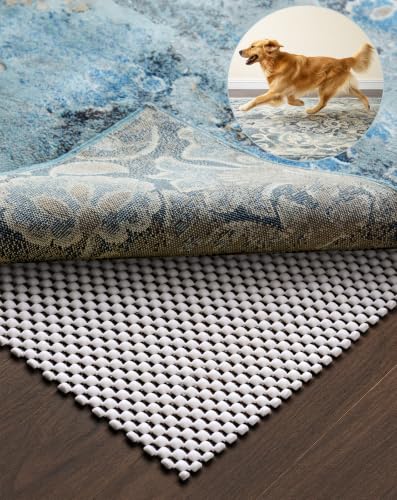
Non-slip Protection: Our pad's signature grip keeps rugs securely in place, preventing bunching and sliding during daily use. It also protects your floors from wear and tear, including damage from high heels, children at play, and more.

Pile: Polypropylene – Backing: Cotton – Weave: Machine Made (Power-Loomed) – Made in: Turkey
Seasonal Switch-Ups
Editor’s Choice

Floral 5×7 Area Rug Machine Washable Soft Print Boho Carpet Non Slip Doo…

5×7 Area Rugs for Living Room Vacuum-Friendly Machine Washable Area Rug …

Morebes Floral Machine Washable Area Rugs 5×7, Vintage Boho Nursery Rug …

Floral 5×7 Green Area Rug Machine Washable Soft Print Boho Carpet Non Sl…

5×7 Dark Green Washable Floral Area Rug,Vintage Boho Soft Low-Pile Livin…
Dimensions & Size Guide
When layering an area rug on carpet, the right dimensions can make all the difference. Choosing the correct size ensures that your space feels intentional and well-planned. Let’s break down the essential measurements you need to consider when selecting an area rug for your carpeted areas.
Standard Sizes & Measurements:
Common area rug sizes typically range from 2×3 feet to 9×12 feet. Here are some popular dimensions:
– 2×3 feet: Best for small entryways or as a bathroom mat. It fits snugly in limited spaces.
– 4×6 feet: Great for small living rooms or under coffee tables. This size requires at least 8 feet of space in width and length for a balanced look.
– 5×8 feet: Perfect for larger living areas or under smaller dining tables. Aim for at least 10×12 feet of space to maintain proportion.
– 8×10 feet: Ideal for spacious living rooms or large dining areas. You’ll want a minimum of 12×14 feet to allow for comfortable layering.
– 9×12 feet: Suitable for grand living spaces or dining rooms, ensuring all furniture fits on the rug. A minimum of 13×15 feet of space is necessary.
Emphasizing proper fit is crucial. The rug should extend beyond the edges of the furniture for a cohesive look. This helps in creating a sense of unity within your space.
Quick Reference Table:
Size/Dimension – Best for: [use case], Minimum space needed: [measurement]
– 2×3 feet – Best for: Entryways, Minimum space needed: 3×4 feet
– 4×6 feet – Best for: Small living rooms, Minimum space needed: 8×10 feet
– 5×8 feet – Best for: Dining rooms, Minimum space needed: 10×12 feet
– 8×10 feet – Best for: Larger living areas, Minimum space needed: 12×14 feet
– 9×12 feet – Best for: Grand spaces, Minimum space needed: 13×15 feet
Space Planning Tips:
1. Measure Before You Buy: Always measure your room before selecting a rug. Use a measuring tape to find both the length and width of the area.
2. Visualize with Tape: To get a sense of size, use painter’s tape to outline the rug dimensions on your carpet. This allows you to see how it fits in the room.
3. Consider Furniture Placement: Think about how you want your furniture arranged. Ideally, the front legs of larger furniture should sit on the rug.
4. Avoid Too Small Rugs: A common mistake is choosing a rug that is too small. This can make your space feel disjointed. Aim for a size that unifies the area instead.
5. Think About Traffic Flow: Ensure that pathways remain clear. You wouldn’t want to trip over edges. Measure any high-traffic areas to assess if the rug will fit without obstruction.
Pro Tip: Always consider your largest furniture piece when selecting a rug size. The rug should anchor the furniture and make the space feel complete. A well-sized rug can tie everything together beautifully, creating a stylish and intentional look in your home.
10. Personalized Touches with Custom Rugs
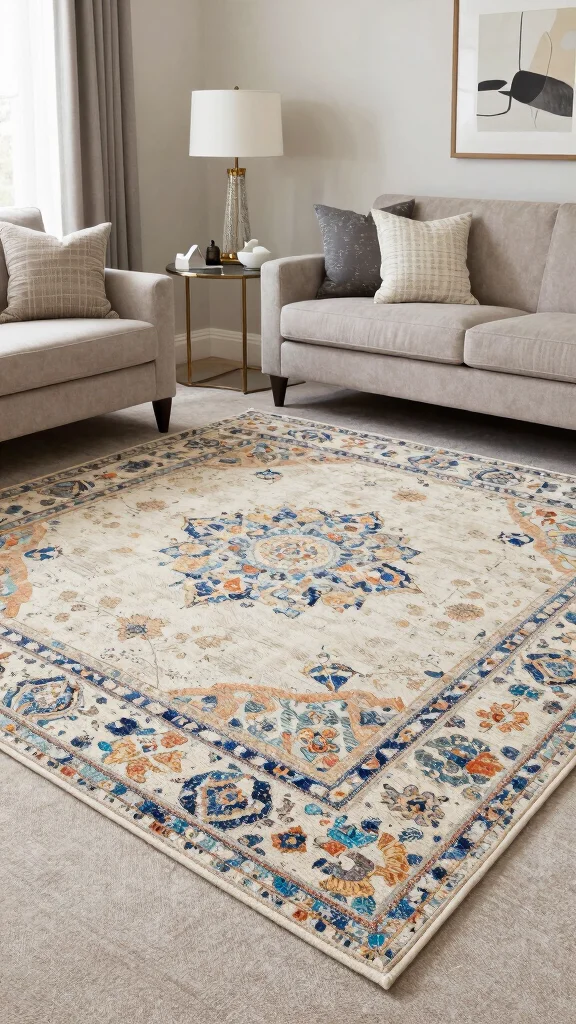
Investing in custom rugs elevates your home decor in a truly unique way. These tailor-made pieces can reflect your personal style and fit your space’s specific dimensions, making them stand out beautifully. Layering a custom rug over your carpet not only enhances aesthetics but also adds functional benefits.
To make the most of custom rugs, keep these tips in mind:
– Collaborate with designers for patterns that resonate with your personality.
– Ensure colors complement your existing decor for a seamless integration.
– Use custom shapes to define areas or highlight focal points in the room.
This trend offers a unique opportunity to express individuality, making your space feel special while maintaining a stylish and intentional design.
Conclusion
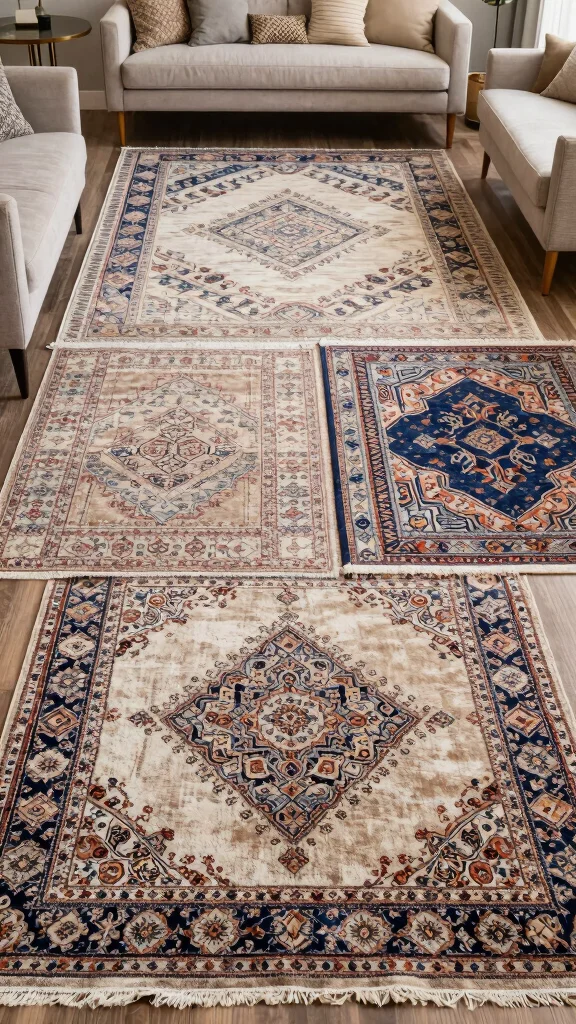
Layering area rugs over carpets is a fantastic way to enhance your home’s aesthetic while adding depth and character. From bold statements to soft neutrals, each method offers a unique opportunity to express your style and personalize your space. Enjoy exploring these ideas and let your creativity shine!
Remember, the beauty of layered rugs lies in their versatility, so don’t hesitate to mix and match according to your taste and the vibe you want to create in your home.
Note: We aim to provide accurate product links, but some may occasionally expire or become unavailable. If this happens, please search directly on Amazon for the product or a suitable alternative.
This post contains Amazon affiliate links, meaning we may earn a small commission if you purchase through our links, at no extra cost to you.
Frequently Asked Questions
What makes an area rug on carpet look stylish and intentional?
To make it look stylish and intentional, choose rugs that complement your carpet instead of competing with it. Start with a larger base rug on the carpet to ground the seating area, then add a smaller accent rug on top to create layered textures. When layering rugs, opt for different textures and keep the color palette cohesive with your interior design tips. Align edges with furniture, leave deliberate gaps, and center the arrangement under a focal piece like a sofa or coffee table for a chic, intentional look.
Next, measure the space and sketch potential layouts to ensure the rug placement techniques you choose enhance flow rather than clutter it.
With these tweaks, an area rug on carpet can look stylish and well-planned.
How can I layer rugs on carpet for a small space without it feeling chaotic?
Start with a grounded base: a larger, low-pile base rug to anchor the seating area. Add a thinner, patterned rug on top at a slight offset to create layered textures without bulk. Use a cohesive color story and scale variety to create depth while avoiding busy clashes. Keep the edges aligned with furniture and create deliberate negative space between layers.
Pro tips: use a non-slip pad under the base rug and a light grip under the top rug to prevent shifting. With the right combination, your layering rugs look will feel intentional, even in a small room.
These home styling ideas come from practical interior design tips for area rug on carpet setups.
What rug placement techniques work best when layering on carpet in a living room?
Start by anchoring your arrangement with a generous base rug beneath the main seating, then layer a second, smaller rug in front of the sofa to highlight a conversation area. Position the top rug so its edges don’t extend past the furniture by more than a few inches, creating a clean, grounded look. Align patterns and textures with your furniture silhouettes to keep the space feeling balanced. Use furniture as gravity: let legs sit comfortably on the base rug while smaller runner-sized pieces nip in at the edges.
Adjust proportions in real life with painter’s tape on the floor as a quick mock-up before you buy. These rug placement techniques help you achieve a polished layered look on carpet while maximizing a small space’s impact.
For additional carpet decor inspiration, experiment with color pops that coordinate with your existing decor.
How do I choose colors and patterns when layering rugs on carpet to avoid a busy look?
Start with a cohesive palette: pull one or two anchor colors from your upholstery and accessories, then pick a base rug that reads as a neutral ground. Choose a second rug with a different texture or scale pattern, but in the same color family to keep harmony. If one rug has a bold pattern, keep the other more subdued or solid. The goal is contrast without chaos, so test layouts on the floor and step back to assess balance.
When in doubt, go with home styling ideas that emphasize calm, layered textures and interior design tips that prioritize heat, light, and flow. This will ensure your area rug on carpet setup feels intentional rather than busy.
Carpet decor inspiration often starts with a simple rule: let the largest pattern anchor the room and let smaller details complement it.
What practical tips help rugs stay in place on carpet when layering?
Start with a high-quality non-slip rug pad under the base rug to reduce movement. Add a lightweight layer grip under the top rug, or use double-sided rug tape along the edges where the rug would shift. Avoid heavy adhesives that can damage carpet fibers. Choose rugs with grippy backs or consider anti-slip underlays. Finally, place heavier furniture on the base rug to act as anchors and maintain the layered look over time.
Refreshing the layout seasonally also helps keep things feeling fresh and intentional. These practical rug placement techniques will keep your area rug on carpet ensemble secure and stylish.
Related Topics
home decor
layered textures
area rug on carpet
rug placement techniques
small spaces
interior design tips
stylish layering
carpet decor inspiration
beginner friendly
modern style
budget friendly
quick updates
Leave a Reply